Garden with Nature

Why garden with nature? The answer is simple: we are connected to nature and need nature to survive. The cumulative negative environmental impacts from traditional landscape and gardening practices are destroying the ecosystem, causing the extinction of pollinator species like monarch butterflies, and increasing the risk of you, your children, and pets developing serious illnesses like cancer.

Credit: iStock Serhii Ivankin
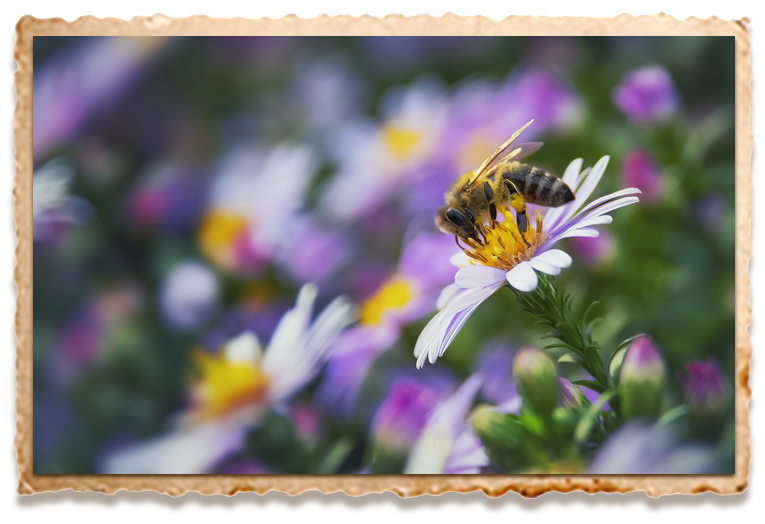
Pollinators like bees, butterflies, and hummingbirds pollinate over 1/3 of the food we eat.

Credit: iStock tibor13

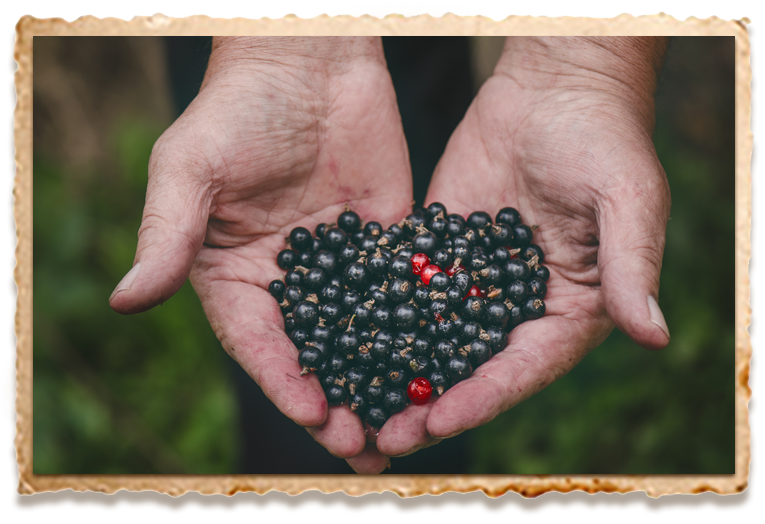
2/3 of all medicine with cancer-fighting properties and prescription drugs used to treat illnesses like malaria, heart disease, bronchitis, hypertension, diabetes, and arthritis, were derived directly from rainforest plants.

Credit: iStock stock_colors

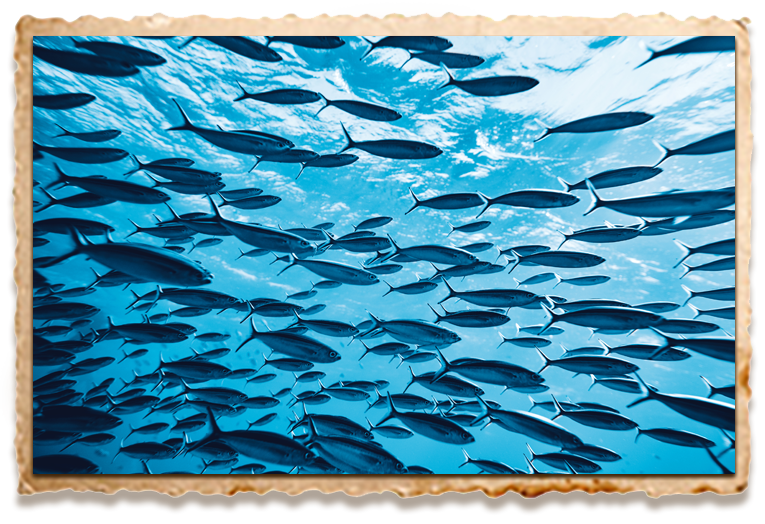
The world’s oceans provide the primary source of food protein for over 1/3 of the humans on the planet.

Whether you have a backyard or balcony you can make a difference for wildlife and our environment when you garden with nature. Eliminating pesticides, planting native plants, and replacing conventional landscapes with eco-friendly naturescapes are just a few of the live smart actions you can take to save nature. When you garden with nature you provide habitat for wildlife from birds to butterflies and increase biodiversity and ecosystem health. That means a healthier yard for you, your family, pets and wildlife!

How Do You Garden With Nature?

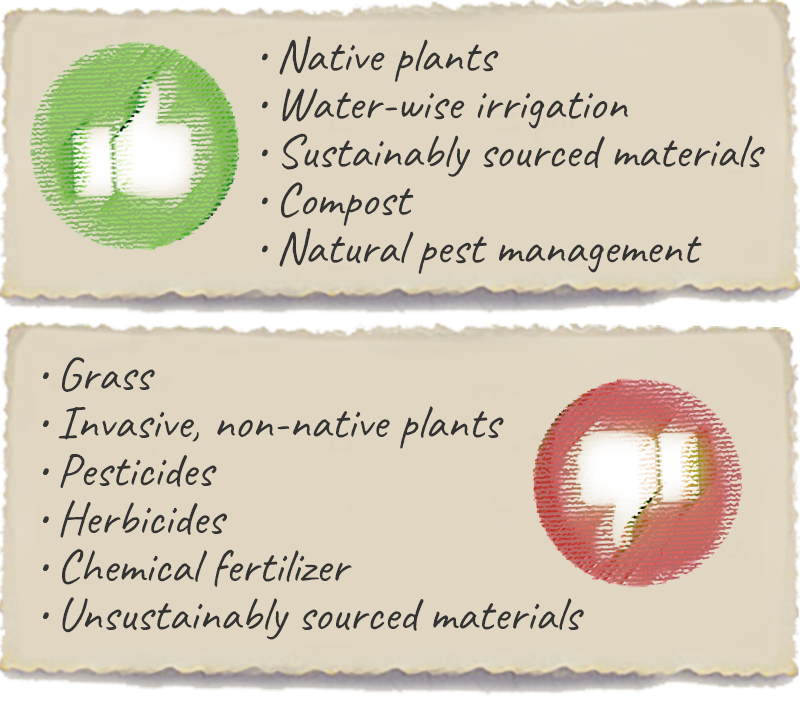
Gardening with nature is just that – gardening WITH nature instead of against it. It’s making nature your partner, not your adversary. You garden with nature by using eco-conscious gardening practices like planting native plants, installing water-wise irrigation, employing natural pest management practices instead of pesticides, and by using sustainably sourced materials like mulch and compost. The more biodiversity of species from plants to insects you have in your garden the healthier it will be for you and the ecosystem. What would you rather do, mow a lawn, or watch a butterfly?

Plant a Pollinator Patch or Planter

You can garden with nature whether you have a yard, patio, porch, or balcony. If you only have a small area, create a pollinator patch or planter with native nectar plants for bees, butterflies, and hummingbirds. Just one patch or planter can make a difference for a pollinator in search of nectar. Even high-rise dwellers can attract pollinators! Learn more about Container Gardening.

Credit: Don's Nature Notes

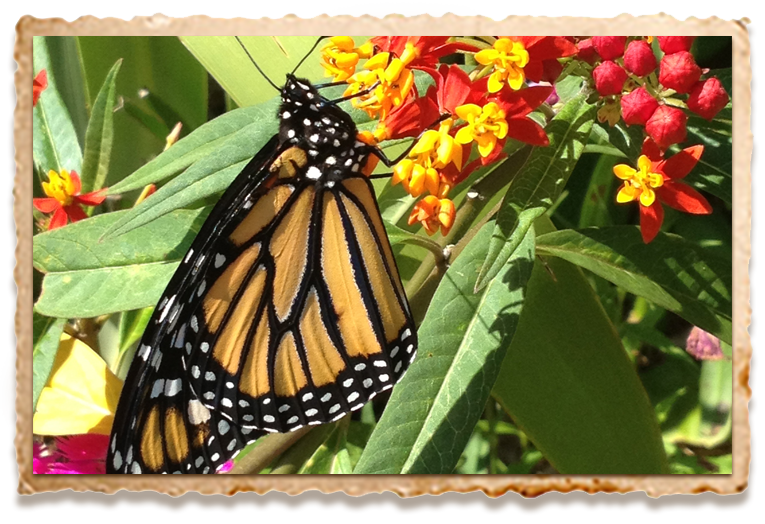
Monarch Butterfly (Danaus plexippus)

Credit: iStock ascione

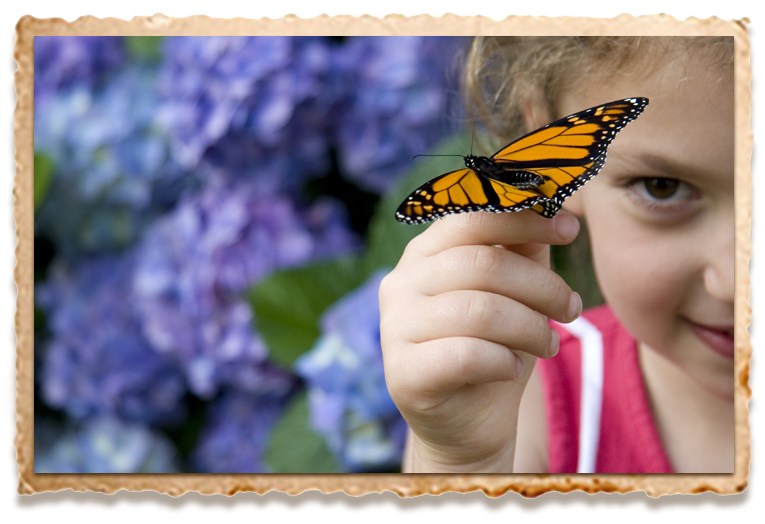
Monarch Butterfly (Danaus plexippus)

Create a Naturescape

One of the most impactful live smart actions you can do is to replace a traditional grass landscape with an eco-friendly naturescape. Naturescapes are ecoconscious landscapes that provide healthy habitat for humans and wildlife and incorporate:
  • Key habitat elements of food, water, and shelter for wildlife
  • Drought resistant native plants and trees
  • Water-wise irrigation
  • Sustainably sourced materials
  • Eco-friendly maintenance and pest management practices
 

Food

Plant native plants, shrubs, and trees to provide nectar, pollen, nuts, and fruit for wildlife. Contact your local native plant nursery, Audubon chapter or native plant society for sources of plants native to your region.
You can supplement natural food sources with bird and critter feeders if you would like to see nature close-up! Learn more about Bird Feeding.

Credit: Don's Nature Notes

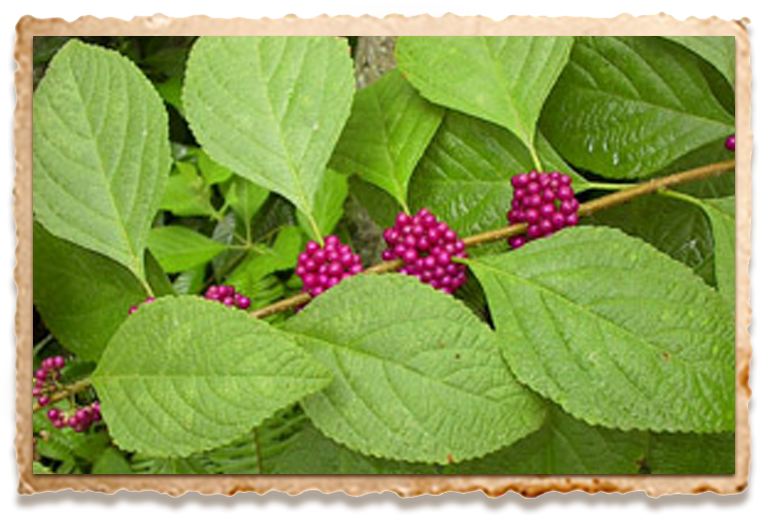
Beauty Berry (Callicarpa Americana)

Credit: iStock Spondylolithesis

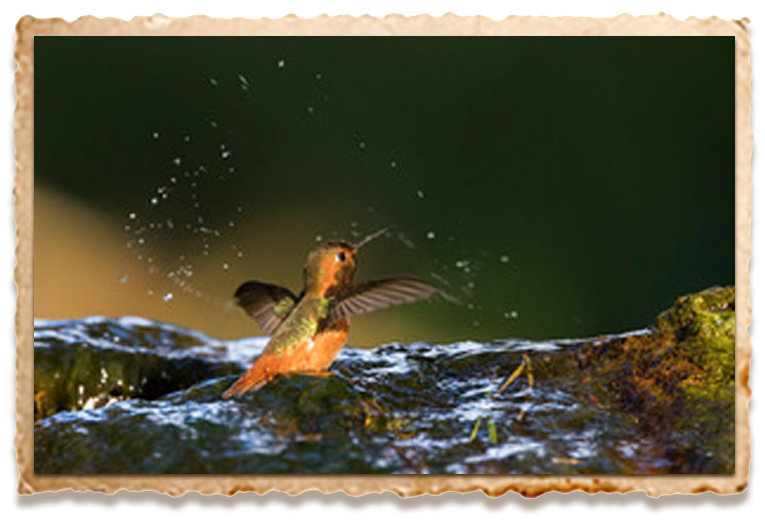
Allen’s Hummingbird (Selasphorus sasin)

Water

Water is critical to any wildlife habitat and can be
provided by a birdbath, fountain, pond, or lake.
Moving water is especially attractive to animals
and can be offered by misters, bubblers, fountains, creeks, and waterfalls. 

Credit: iStock Pablo Vivaracho Hernandez
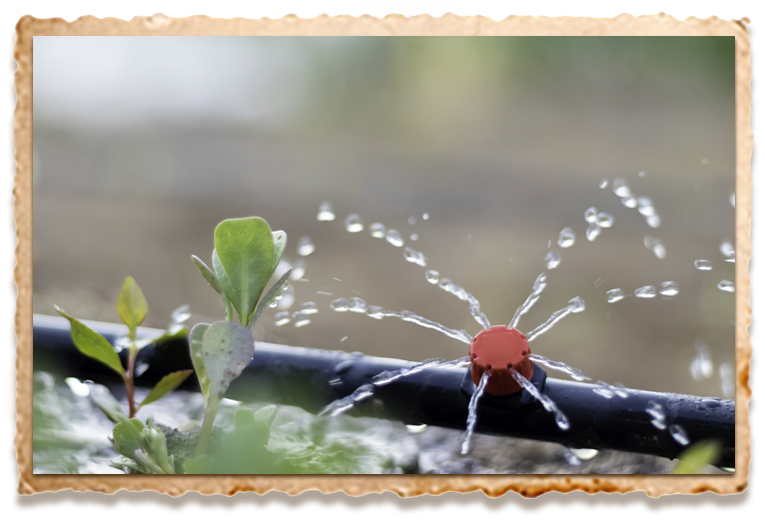
Over 60% of municipal water is used to irrigate lawns and landscapes. You can make a difference by utilizing water-wise irrigation techniques including drip irrigation and smart controllers that automatically adjust watering times based on weather conditions to provide optimal moisture for plants and conserve water.

Shelter

Planting native evergreen shrubs, vines, and trees creates shelter for wildlife to raise young and protection from weather and predators year-round. Shelter can also be supplemented with nest boxes.

Follow these tips for proper placement of nest boxes:

  • Put up in fall to late winter
  • Locate in animal’s normal habitat: tree, shrub, field, water
  • Face front to the Southeast, South, or Southwest
  • Position opening close to places to perch
Learn more about Bird Nest Boxes.

Credit: M. Millett

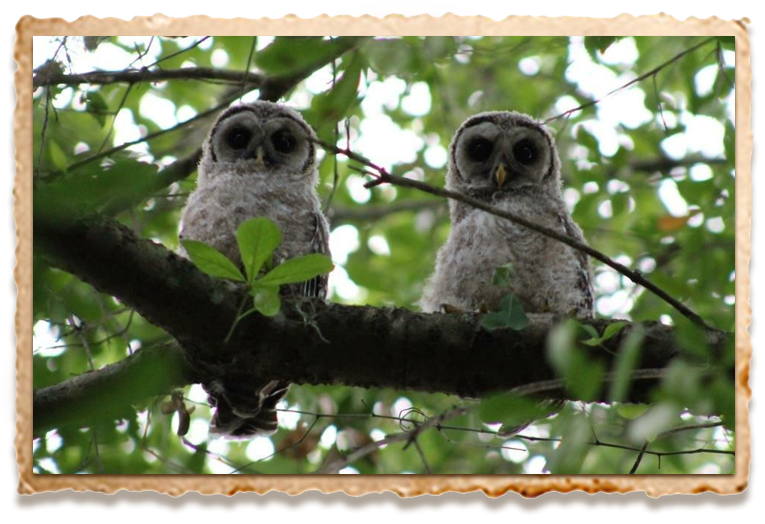
Barred Owlets (Strix varia)

Credit: iStock Solidago

Sustainably Sourced Materials & Eco-Conscious Maintenance Practices

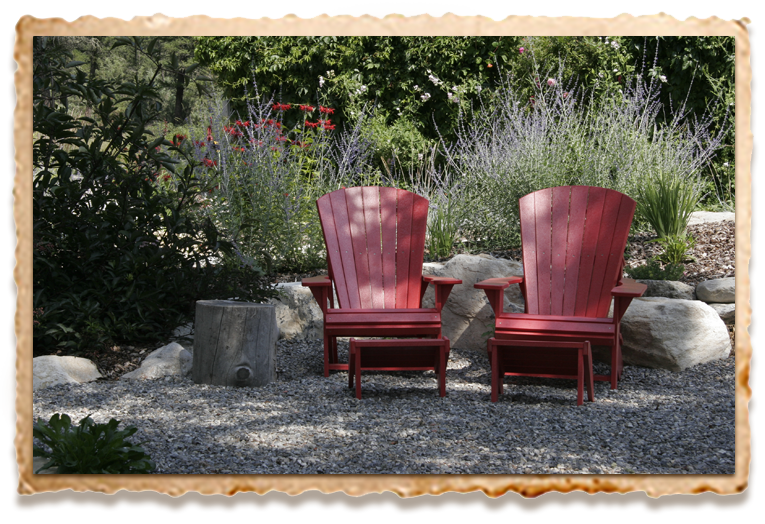
Only use sustainably sourced materials in your naturescape. Recycled rubber edging is flexible, easy to install and will last years. Decking and furniture made from recycled plastic poly lumber requires little to no maintenance and will also last for years. You can keep plastic bottles out of landfills and enjoy a front row seat to nature!

Mulch

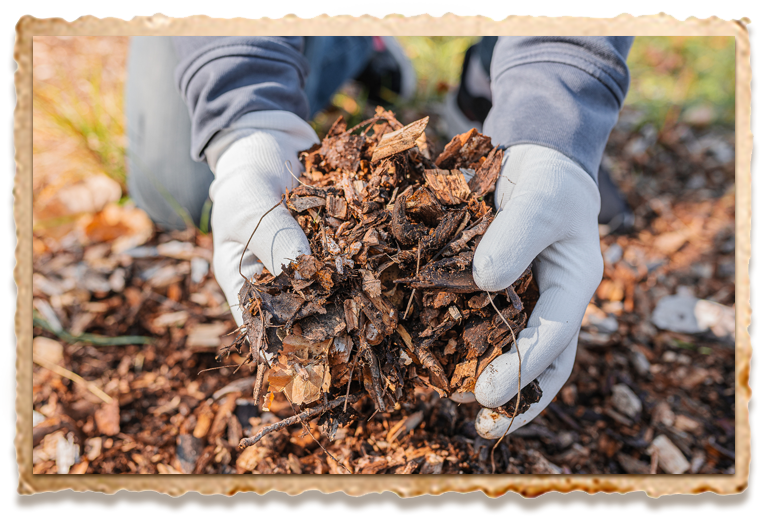
Caring for a naturescape can be much easier and cheaper than maintaining a lawn or traditional landscape. Regular weeding is the highest maintenance task, but it can be greatly reduced if you mulch adequately. A new naturescape may initially need to be mulched heavily with a 3 inch layer of mulch. After that, an annual mulching of 1-2 inches in the fall or spring can be adequate. You can use leaves, pine needles or bark found on your property for mulch. If you purchase mulch be sure it has been sustainably sourced from trees like Melaleuca. Do not use cypress mulch. You may also be able to get free mulch from tree trimming companies. Just be sure to get mulch from trees that were not diseased. Learn more about Compost & Mulch.

Credit: iStock Larisa Stefanuyk

Credit: iStock SolStock
Compost

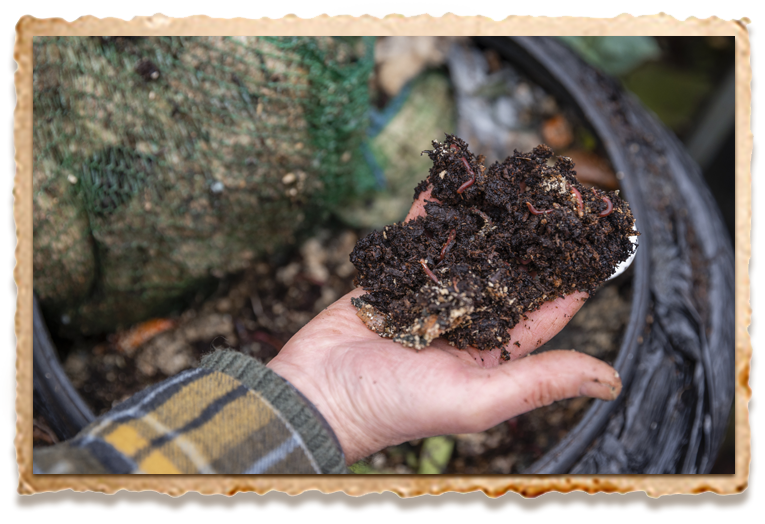
Leaves, grass clippings, and kitchen scraps can be composted with other organic waste to create natural fertilizer for your garden. Learn more about Compost & Mulch.

Trimming & Brush Pile

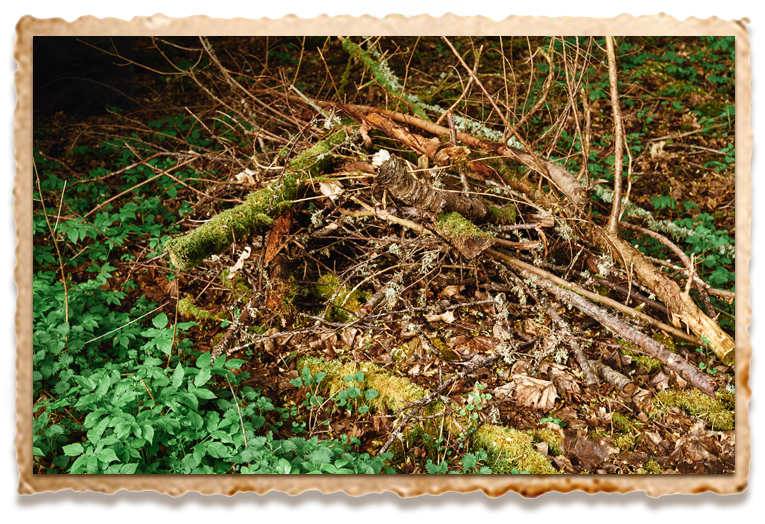
Your go to garden tool will be a good set of hand clippers to trim plants in early spring and as needed throughout the year. Cut up smaller twigs and clippings and scatter around for mulch and nest material. Do not trim in the fall as the plants provide a place for beneficial insects to over winter. Place large branches in a brush pile covered with native vines to create shelter or use a chipper to turn them into mulch and use in your garden.

Credit: iStock Lucentius

Credit: iStock vojce
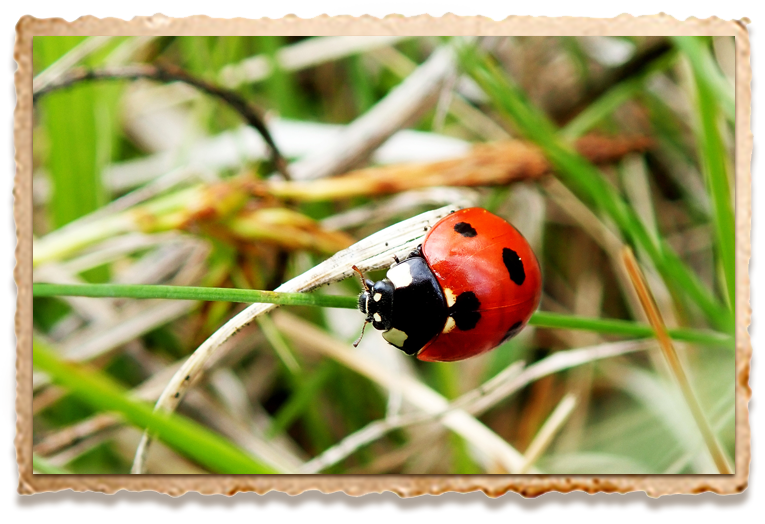
More than 1000 beneficial insects are killed by pesticides for everyone they attempt to control.

Natural Pest Management

You can make a difference by practicing natural pest management instead of using pesticides and herbicides.

Follow these steps:
  • Physically remove pests – Spray with hose to dislodge – Prune off infested area
  • Plant natural deterrent companion plants like herbs and marigolds
  • Use natural pesticide alternatives – Insecticidal soaps and horticultural oils made from plant extracts like need, pyrethrum, and sabadilla

Wildlife

Your naturescape can play a vital role in increasing biodiversity. The more biodiverse your naturescape is the healthier it will be for you and wildlife. Whether you live in an urban, suburban, or rural area there are common species of wildlife that you may see. City parks can host a surprising variety of wildlife like birds, squirrels, rabbits, turtles, opossums, raccoons, and coyotes. If you live more rural or in a suburban area with wildlife preservation corridors you may even see species like bobcat, deer, fox, and bear!

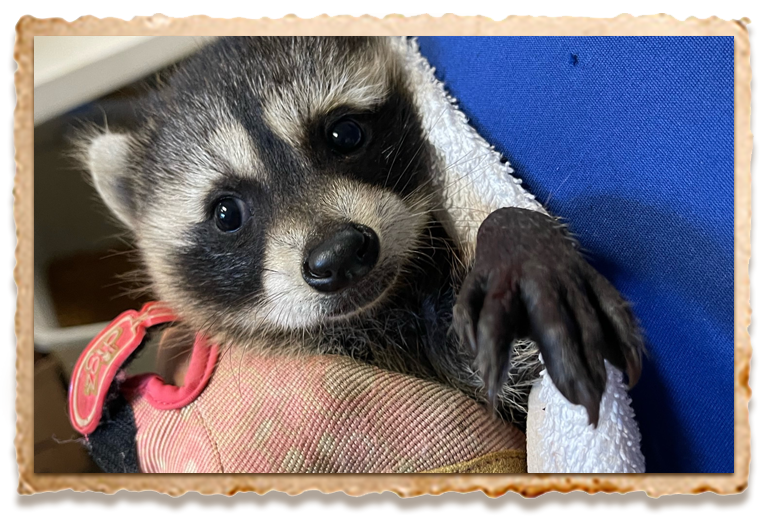
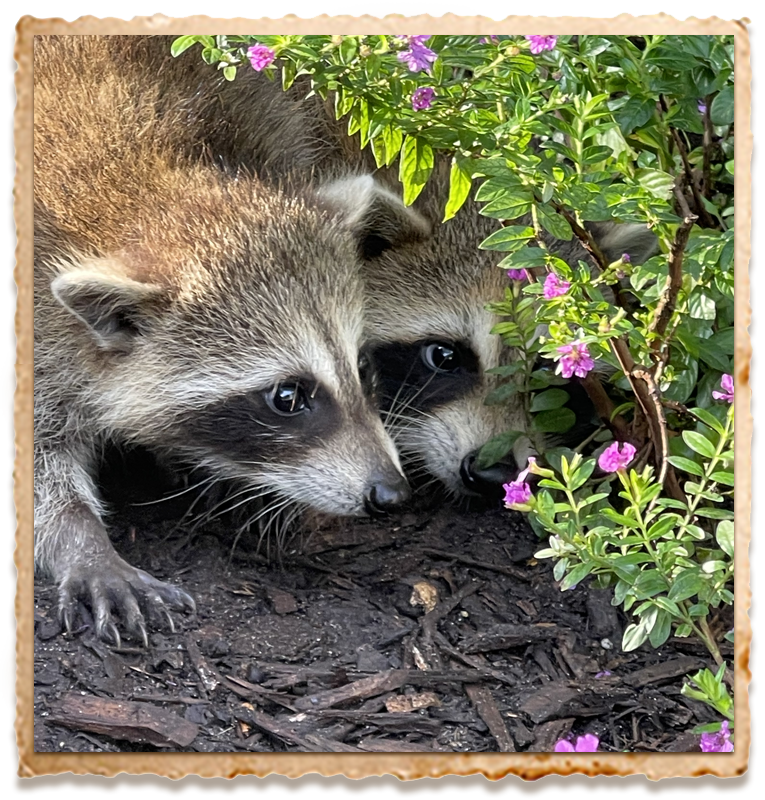
Consider yourself fortunate if you get a front row seat to the metamorphosis of a monarch caterpillar, a pair of robins raising their young or a mother raccoon teaching her kits how to forage for food.

Credit: Don's Nature Notes

Credit: Don's Nature Notes
Save time responding to an injured animal by researching wildlife care providers in your area and save on your phone for future reference. See my Wildlife Care Guide and help animals get the care they need.

Wildlife Care

NOTE: IT IS ILLEGAL TO KEEP OR CARE FOR WILDLIFE WITHOUT A PERMIT OR LICENSE.
Sometimes an animal may need your help, most times they will not. Do not assume an unattended baby animal is abandoned. Parents will often leave them for short periods while they forage for food. The most important action is to first observe the animal to see if it is safe, uninjured, and if the parents come back to it. If it is injured, or you are sure it has been abandoned, transfer it immediately to a wildlife care provider. The goal of caring for abandoned or injured wildlife is to rehabilitate and return the animal to the wild as soon as possible with minimal human contact.

Certification Programs

You can have your naturescape or wildlife habitat
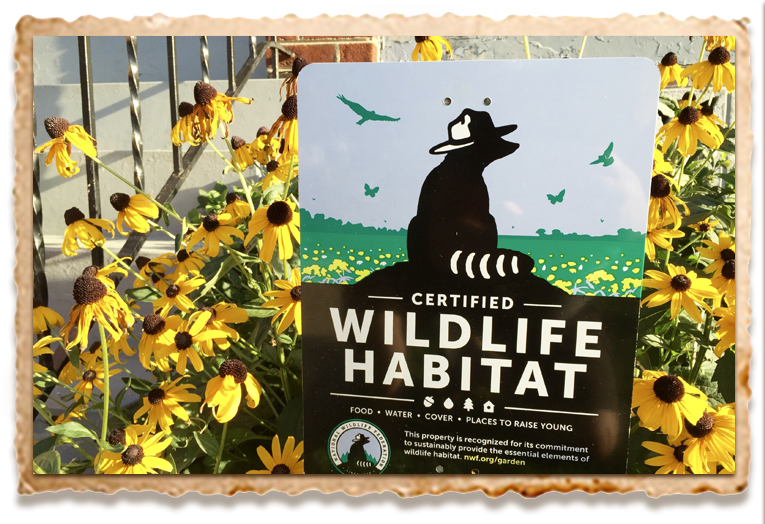
certified and let your friends and neighbors know you are gardening with nature! The National Wildlife Federation’s Wildlife Habitat program certifies yards according to habitat criteria. The Audubon society may also offer certification in your area. Some states and counties have programs to certify water-wise and eco-conscious landscapes and may offer incentives and rebates. Many certification programs have signage that you can place in your yard to help spread the word about how to garden with nature!

Credit: National Wildlife Federation

Learn more about the National Wildlife Federation’s Certified Wildlife Habitat program.

Credit: Tinnakorn Jorruang

Keep a Nature Journal

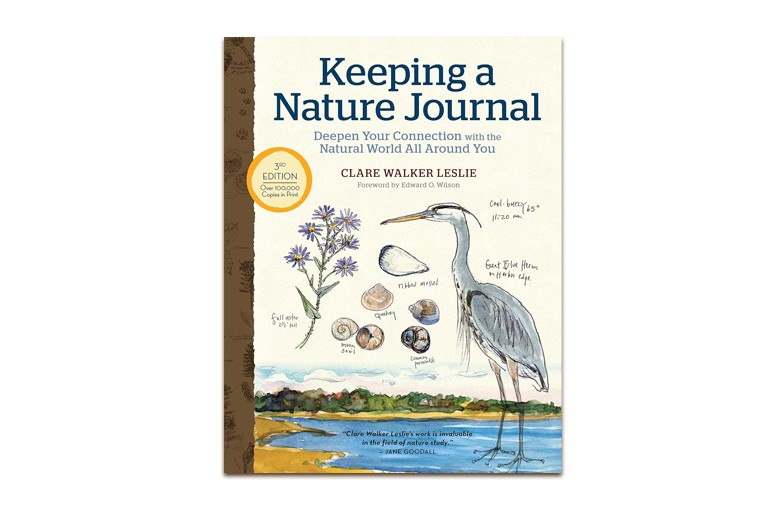
Recording your nature observations in a journal can be very rewarding. A nature journal can be as simple as a notebook to a digital journal like Day One. Your entries can be brief notes, longer descriptions, weather conditions and events, poems or sketches and photos of plants or animals. Recording seasonal highlights like the first robin in spring or the first frost will allow you to compare events and timing with previous years.

Keeping a Nature Journal by Claire Walker Leslie.

Garden with Nature

Why garden with nature? The answer is simple: we are connected to nature and need nature to survive. The cumulative negative environmental impacts from traditional landscape and gardening practices are destroying the ecosystem, causing the extinction of pollinator species like monarch butterflies, and increasing the risk of you, your children, and pets developing serious illnesses like cancer.

Credit: iStock Serhii Ivankin

Pollinators like bees, butterflies, and hummingbirds pollinate over 1/3 of the food we eat.

Credit: iStock tibor13

2/3 of all medicine with cancer-fighting properties and prescription drugs used to treat illnesses like malaria, heart disease, bronchitis, hypertension, diabetes, and arthritis, were derived directly from rainforest plants.

Credit: iStock stock_colors

The world’s oceans provide the primary source of food protein for over 1/3 of the humans on the planet.

Whether you have a backyard or balcony you can make a difference for wildlife and our environment when you garden with nature. Eliminating pesticides, planting native plants, and replacing conventional landscapes with eco-friendly naturescapes are just a few of the live smart actions you can take to save nature. When you garden with nature you provide habitat for wildlife from birds to butterflies and increase biodiversity and ecosystem health. That means a healthier yard for you, your family, pets and wildlife!

How Do You Garden With Nature?

Gardening with nature is just that – gardening WITH nature instead of against it. It’s making nature your partner, not your adversary. You garden with nature by using eco-conscious gardening practices like planting native plants, installing water-wise irrigation, employing natural pest management practices instead of pesticides, and by using sustainably sourced materials like mulch and compost. The more biodiversity of species from plants to insects you have in your garden the healthier it will be for you and the ecosystem. What would you rather do, mow a lawn, or watch a butterfly?

Plant a Pollinator Patch or Planter

You can garden with nature whether you have a yard, patio, porch, or balcony. If you only have a small area, create a pollinator patch or planter with native nectar plants for bees, butterflies, and hummingbirds. Just one patch or planter can make a difference for a pollinator in search of nectar. Even high-rise dwellers can attract pollinators! Learn more about Container Gardening.

Credit: Don's Nature Notes

Monarch Butterfly (Danaus plexippus)

Credit: iStock ascione

Monarch Butterfly (Danaus plexippus)

Create a Naturescape

One of the most impactful live smart actions you can do is to replace a traditional grass landscape with an eco-friendly naturescape. Naturescapes are ecoconscious landscapes that provide healthy habitat for humans and wildlife and incorporate:
  • Key habitat elements of food, water, and shelter for wildlife
  • Drought resistant native plants and trees
  • Water-wise irrigation
  • Sustainably sourced materials
  • Eco-friendly maintenance and pest management practices
 

Food

Plant native plants, shrubs, and trees to provide nectar, pollen, nuts, and fruit for wildlife. Contact your local native plant nursery, Audubon chapter or native plant society for sources of plants native to your region.
You can supplement natural food sources with bird and critter feeders if you would like to see nature close-up! Learn more about Bird Feeding.

Credit: Don's Nature Notes

Beauty Berry (Callicarpa Americana)

Credit: iStock Spondylolithesis

Allen’s Hummingbird (Selasphorus sasin)

Water

Water is critical to any wildlife habitat and can be
provided by a birdbath, fountain, pond, or lake.
Moving water is especially attractive to animals
and can be offered by misters, bubblers, fountains, creeks, and waterfalls. 

Credit: iStock Pablo Vivaracho Hernandez

Over 60% of municipal water is used to irrigate lawns and landscapes. You can make a difference by utilizing water-wise irrigation techniques including drip irrigation and smart controllers that automatically adjust watering times based on weather conditions to provide optimal moisture for plants and conserve water.

Shelter

Planting native evergreen shrubs, vines, and trees creates shelter for wildlife to raise young and protection from weather and predators year-round. Shelter can also be supplemented with nest boxes.

Follow these tips for proper placement of nest boxes:

  • Put up in fall to late winter
  • Locate in animal’s normal habitat: tree, shrub, field, water
  • Face front to the Southeast, South, or Southwest
  • Position opening close to places to perch
Learn more about Bird Nest Boxes.

Credit: M. Millett

Barred Owlets (Strix varia)

Credit: iStock Solidago

Sustainably Sourced Materials & Eco-Conscious Maintenance Practices

Only use sustainably sourced materials in your naturescape. Recycled rubber edging is flexible, easy to install and will last years. Decking and furniture made from recycled plastic poly lumber requires little to no maintenance and will also last for years. You can keep plastic bottles out of landfills and enjoy a front row seat to nature!

Mulch

Caring for a naturescape can be much easier and cheaper than maintaining a lawn or traditional landscape. Regular weeding is the highest maintenance task, but it can be greatly reduced if you mulch adequately. A new naturescape may initially need to be mulched heavily with a 3 inch layer of mulch. After that, an annual mulching of 1-2 inches in the fall or spring can be adequate. You can use leaves, pine needles or bark found on your property for mulch. If you purchase mulch be sure it has been sustainably sourced from trees like Melaleuca. Do not use cypress mulch. You may also be able to get free mulch from tree trimming companies. Just be sure to get mulch from trees that were not diseased. Learn more about Compost & Mulch.

Credit: iStock Larisa Stefanuyk

Credit: iStock SolStock

Compost

Leaves, grass clippings, and kitchen scraps can be composted with other organic waste to create natural fertilizer for your garden. Learn more about Compost & Mulch.

Trimming & Brush Pile

Your go to garden tool will be a good set of hand clippers to trim plants in early spring and as needed throughout the year. Cut up smaller twigs and clippings and scatter around for mulch and nest material. Do not trim in the fall as the plants provide a place for beneficial insects to over winter. Place large branches in a brush pile covered with native vines to create shelter or use a chipper to turn them into mulch and use in your garden.

Credit: iStock Lucentius

Credit: iStock vojce

More than 1000 beneficial insects are killed by pesticides for everyone they attempt to control.

Natural Pest Management

You can make a difference by practicing natural pest management instead of using pesticides and herbicides.

Follow these steps:
  • Physically remove pests – Spray with hose to dislodge – Prune off infested area
  • Plant natural deterrent companion plants like herbs and marigolds
  • Use natural pesticide alternatives – Insecticidal soaps and horticultural oils made from plant extracts like need, pyrethrum, and sabadilla

Wildlife

Your naturescape can play a vital role in increasing biodiversity. The more biodiverse your naturescape is the healthier it will be for you and wildlife. Whether you live in an urban, suburban, or rural area there are common species of wildlife that you may see. City parks can host a surprising variety of wildlife like birds, squirrels, rabbits, turtles, opossums, raccoons, and coyotes. If you live more rural or in a suburban area with wildlife preservation corridors you may even see species like bobcat, deer, fox, and bear!

Consider yourself fortunate if you get a front row seat to the metamorphosis of a monarch caterpillar, a pair of robins raising their young or a mother raccoon teaching her kits how to forage for food.

Credit: Don's Nature Notes

Credit: Don's Nature Notes

Save time responding to an injured animal by researching wildlife care providers in your area and save on your phone for future reference. See my Wildlife Care Guide and help animals get the care they need.

Wildlife Care

NOTE: IT IS ILLEGAL TO KEEP OR CARE FOR WILDLIFE WITHOUT A PERMIT OR LICENSE.
Sometimes an animal may need your help, most times they will not. Do not assume an unattended baby animal is abandoned. Parents will often leave them for short periods while they forage for food. The most important action is to first observe the animal to see if it is safe, uninjured, and if the parents come back to it. If it is injured, or you are sure it has been abandoned, transfer it immediately to a wildlife care provider. The goal of caring for abandoned or injured wildlife is to rehabilitate and return the animal to the wild as soon as possible with minimal human contact.

Certification Programs

You can have your naturescape or wildlife habitat
certified and let your friends and neighbors know you are gardening with nature! The National Wildlife Federation’s Wildlife Habitat program certifies yards according to habitat criteria. The Audubon society may also offer certification in your area. Some states and counties have programs to certify water-wise and eco-conscious landscapes and may offer incentives and rebates. Many certification programs have signage that you can place in your yard to help spread the word about how to garden with nature!

Credit: National Wildlife Federation

Learn more about the National Wildlife Federation’s Certified Wildlife Habitat program.

Credit: Tinnakorn Jorruang

Keep a Nature Journal

Recording your nature observations in a journal can be very rewarding. A nature journal can be as simple as a notebook to a digital journal like Day One. Your entries can be brief notes, longer descriptions, weather conditions and events, poems or sketches and photos of plants or animals. Recording seasonal highlights like the first robin in spring or the first frost will allow you to compare events and timing with previous years.

Keeping a Nature Journal by Claire Walker Leslie.