

ECOSIA

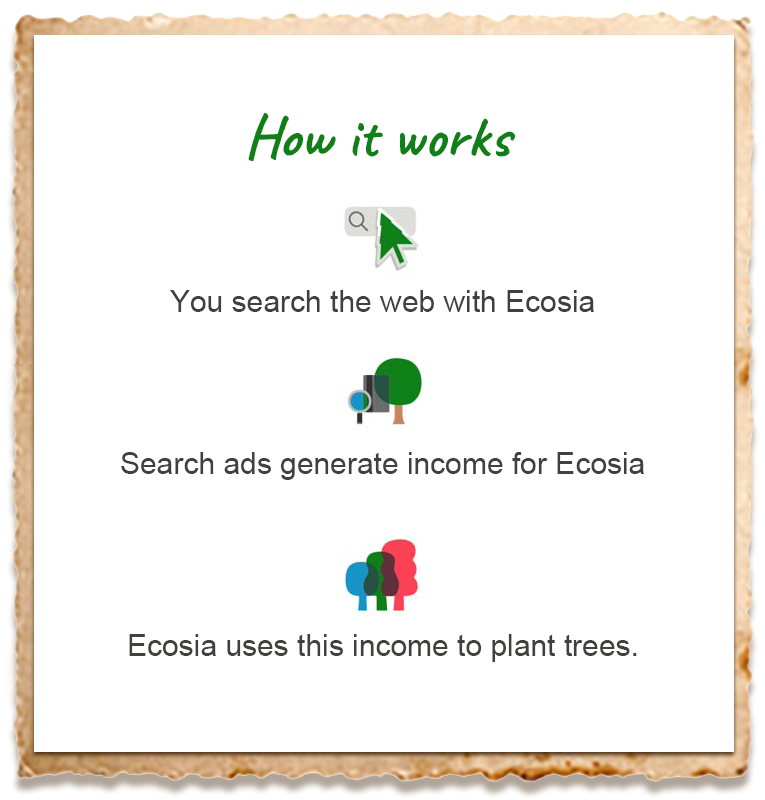
Ecosia is a not-for-profit company that uses advertising revenue – generated through a free web browser – to fund global tree­ planting projects.

Credit: Ecosia

Credit: Ecosia
Christian Kroll, Ecosia CEO and Founder

Founded by German entrepreneur Christian Kroll in 2009, Ecosia has planted more than 170 million trees in over 35 countries. Because each web search done through Ecosia removes half a kilogram of carbon dioxide from the atmosphere, Ecosia is considered a carbon­ negative company.

Searches on Ecosia are powered by 100% renewable energy; Ecosia plants trees that fight climate change by removing CO2 from the atmosphere, and they accelerate the energy transition away from fossil fuels by adding solar energy to the electricity grid.

 A counter on the Ecosia search page shows how many trees have been planted by people using the search engine. You can also find out how many trees they have planted as a result of your searches with the personal tree counter.

The company has reached an impressive milestone since its founding, becoming Germany’s first Certified B Corporation, or
benefit corporation, putting Ecosia in the same category as social companies like Patagonia and Ben & Jerry’s. To assure that its founders could never take profits out of the company or receive dividends, Ecosia gave shares to the Purpose Foundation, which creates new shared ownership models that move capital into the service of people and the planet.

Credit: Ecosia

Ecosia is also radically transparent about how much money they have made from your searches, and how they have spent it, with over 80% of profits financing tree-planting projects around the world.

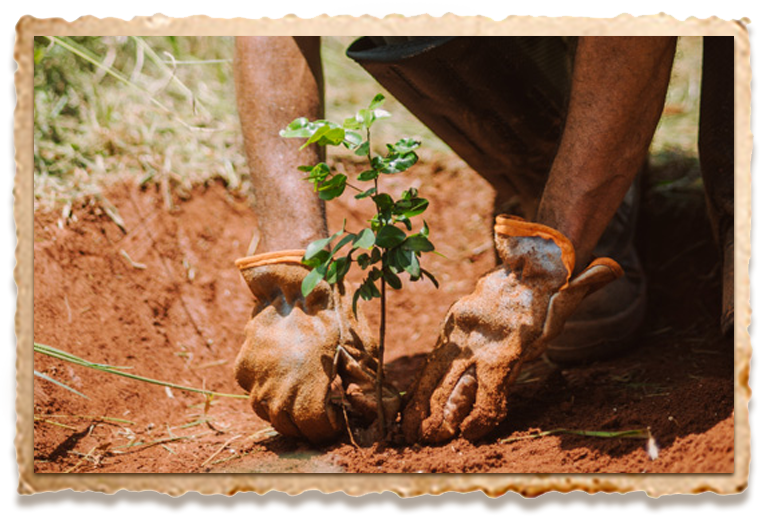
Tree-planting projects have immensely important and wide-reaching positive ecological and social impacts: they help to protect rare wildlife, mitigate climate change by absorbing carbon, and restore degraded landscapes. 

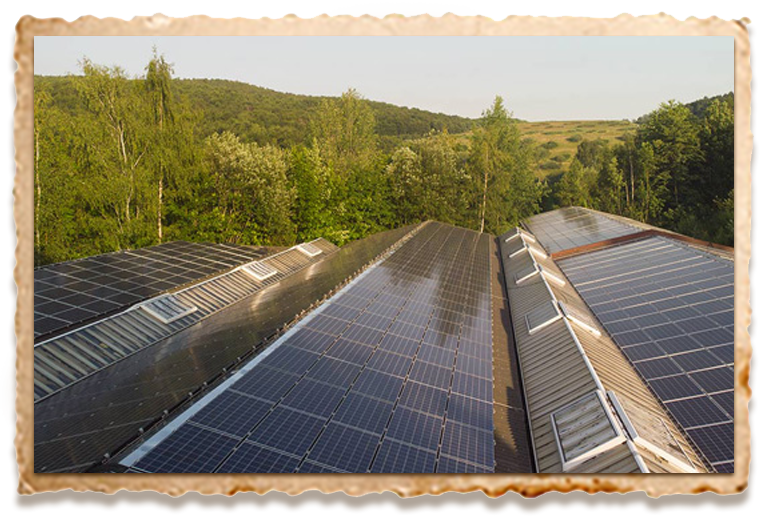
Ecosia has built solar power plants to ensure it is running on 100% renewable clean energy. Today, Ecosia generates twice as much energy as they use; they recycle any surplus energy back Into the electrical grid, which reduces fossil fuels.

For those concerned about personal information security, Ecosia does not sell your personal data to advertisers. As the company states, they “want trees, not your data.” 

Credit: Ecosia

One of Ecosia’s solar power plants in Aue, Germany.

Ecosia ensures that partners operate in biodiversity hotspots that have at least 1500 endemic plant species, and whose forests have been diminished by 70 percent. Planting projects are never monocultural and do not use pesticides. Of the trees planted, 90 percent are native. The other 10 percent of non­native trees are often used for agroforestry, to provide food for regenerating areas, and are never invasive species.

In addition to funding tree-planting projects, Ecosia engages in social justice work by holding politicians and institutions accountable, calling out greenwashing, and identifying the biggest polluters. 

Credit: Ecosia

Apoliana Fernandes Vieira, Institute Espinhaco, BraziL

Ecosia ensures that partners operate in biodiversity hotspots that have at least 1500 endemic plant species, and whose forests have been diminished by 70 percent. Planting projects are never monocultural and do not use pesticides. Of the trees planted, 90 percent are native. The other 10 percent of non­native trees are often used for agroforestry, to provide food for regenerating areas, and are never invasive species.

In addition to funding tree-planting projects, Ecosia engages in social justice work by holding politicians and institutions accountable, calling out greenwashing, and identifying the biggest polluters. 

Ecosia’s tree planting projects also aim to be socially sustainable; many projects aim to restore local hydrologic cycles and soil health, or to assist in the mitigation of desertification. These efforts allow people to continue living off their land in harmony with nature, which reduces displacement. 

Ensuring the communities most dependent upon nature can live without harming it allows for stable employment, which reduces poverty, stabilizes political situations, and helps to empower women. In Uganda, Ecosia is helping restore forest habitat critical to the survival of our genetic cousins, the great apes. Only 5,000 chimpanzees remain in Uganda, and their habitat is shrinking due to a growing demand for charcoal and firewood. Chimpanzees are shy animals, but they have been forced to leave the forest in search of food, which is placing them in conflict with farmers. Along with the Jane Goodall Institute and Trees for Humanity, Ecosia is planting tree corridors that connect remaining forests so chimps can safely move between them.

Learn more about Ecosia.

ECOSIA

Ecosia is a not-for-profit company that uses advertising revenue – generated through a free web browser – to fund global tree­ planting projects.

Credit: Ecosia

Credit: Ecosia

Christian Kroll, Ecosia CEO and Founder

Founded by German entrepreneur Christian Kroll in 2009, Ecosia has planted more than 170 million trees in over 35 countries. Because each web search done through Ecosia removes half a kilogram of carbon dioxide from the atmosphere, Ecosia is considered a carbon­ negative company.

Searches on Ecosia are powered by 100% renewable energy; Ecosia plants trees that fight climate change by removing CO2 from the atmosphere, and they accelerate the energy transition away from fossil fuels by adding solar energy to the electricity grid.

 A counter on the Ecosia search page shows how many trees have been planted by people using the search engine. You can also find out how many trees they have planted as a result of your searches with the personal tree counter.

The company has reached an impressive milestone since its founding, becoming Germany’s first Certified B Corporation, or
benefit corporation, putting Ecosia in the same category as social companies like Patagonia and Ben & Jerry’s. To assure that its founders could never take profits out of the company or receive dividends, Ecosia gave shares to the Purpose Foundation, which creates new shared ownership models that move capital into the service of people and the planet.

Credit: Ecosia

Ecosia is also radically transparent about how much money they have made from your searches, and how they have spent it, with over 80% of profits financing tree-planting projects around the world.

Tree-planting projects have immensely important and wide-reaching positive ecological and social impacts: they help to protect rare wildlife, mitigate climate change by absorbing carbon, and restore degraded landscapes. 

Ecosia has built solar power plants to ensure it is running on 100% renewable clean energy. Today, Ecosia generates twice as much energy as they use; they recycle any surplus energy back Into the electrical grid, which reduces fossil fuels.

For those concerned about personal information security, Ecosia does not sell your personal data to advertisers. As the company states, they “want trees, not your data.” 

Credit: Ecosia

One of Ecosia’s solar power plants in Aue, Germany.

Ecosia ensures that partners operate in biodiversity hotspots that have at least 1500 endemic plant species, and whose forests have been diminished by 70 percent. Planting projects are never monocultural and do not use pesticides. Of the trees planted, 90 percent are native. The other 10 percent of non­native trees are often used for agroforestry, to provide food for regenerating areas, and are never invasive species.

In addition to funding tree-planting projects, Ecosia engages in social justice work by holding politicians and institutions accountable, calling out greenwashing, and identifying the biggest polluters. 

Credit: Ecosia

Apoliana Fernandes Vieira, Institute Espinhaco, BraziL

Ecosia ensures that partners operate in biodiversity hotspots that have at least 1500 endemic plant species, and whose forests have been diminished by 70 percent. Planting projects are never monocultural and do not use pesticides. Of the trees planted, 90 percent are native. The other 10 percent of non­native trees are often used for agroforestry, to provide food for regenerating areas, and are never invasive species.

In addition to funding tree-planting projects, Ecosia engages in social justice work by holding politicians and institutions accountable, calling out greenwashing, and identifying the biggest polluters. 

Ecosia’s tree planting projects also aim to be socially sustainable; many projects aim to restore local hydrologic cycles and soil health, or to assist in the mitigation of desertification. These efforts allow people to continue living off their land in harmony with nature, which reduces displacement. 

Ensuring the communities most dependent upon nature can live without harming it allows for stable employment, which reduces poverty, stabilizes political situations, and helps to empower women. In Uganda, Ecosia is helping restore forest habitat critical to the survival of our genetic cousins, the great apes. Only 5,000 chimpanzees remain in Uganda, and their habitat is shrinking due to a growing demand for charcoal and firewood. Chimpanzees are shy animals, but they have been forced to leave the forest in search of food, which is placing them in conflict with farmers. Along with the Jane Goodall Institute and Trees for Humanity, Ecosia is planting tree corridors that connect remaining forests so chimps can safely move between them.

Learn more about Ecosia.