African People & Wildlife Organization

The African People and Wildlife organization is a pioneering nonprofit conservation group dedicated to safeguarding wildlife and empowering local communities across Africa. APW was co-founded by Dr. Laly Lichtenfeld and Charles Trout, both advocates for conservation efforts throughout Africa.

Credit: African People & Widlife

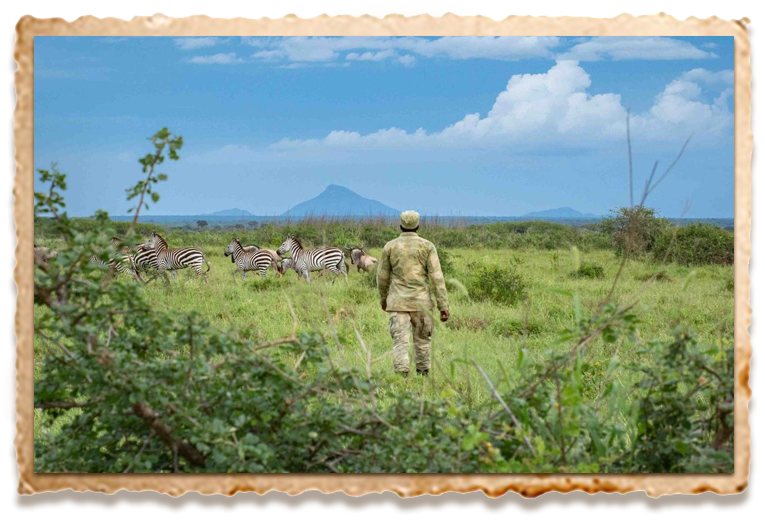
Ranger oversees zebra on the savannah

Through community driven solutions, APW strives to resolve issues that threaten Africa’s biodiversity and communities of people who live near the African wilderness. Their holistic approach aids in amplifying their themes and values such as youth leadership, empowerment of women, climate change resilience, and human rights protection. By fostering cooperation and engaging communities, the organization works to forge a harmonious balance that safeguards Africa’s natural heritage while supporting the livelihoods and futures of those living near or in invaluable ecosystems.

Through community driven solutions, APW strives to resolve issues that threaten Africa’s biodiversity and communities of people who live near the African wilderness. Their holistic approach aids in amplifying their themes and values such as youth leadership, empowerment of women, climate change resilience, and human rights protection. By fostering cooperation and engaging communities, the organization works to forge a harmonious balance that safeguards Africa’s natural heritage while supporting the livelihoods and futures of those living near or in invaluable ecosystems.

Credit: African People & Wildlife

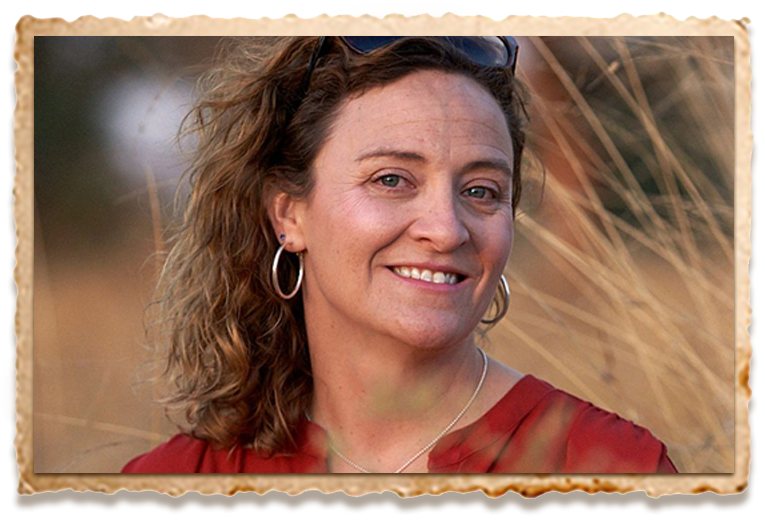
Laly Lichtenfeld, Ph.D., Co-Founder & Chief Executive Officer / African People & Wildlife

Credit: African People & Wildlife

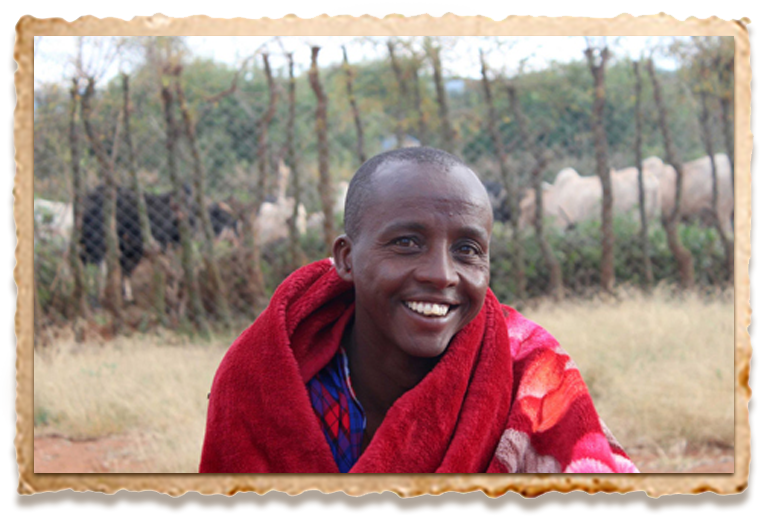
Charles Trout, Co-founder & Chief Program Officer / African People & Wildlife

“APW envisions “a world where Africa’s people and wildlife coexist and thrive in vibrant, healthy landscapes.”
They aim to achieve this through the application of their theory of change model which actively engages, educates, and empowers communities. This is reflected in their programs such as Living Walls, Sustainable Rangelands, Warriors for Wildlife, and Youth Environmental Education.

Living Walls

The Maasai people have long faced the issue of livestock endangerment. Wildlife attacks on livestock threaten people’s livelihood and retaliatory attacks on wildlife were common, until local farmer Kimath offered a solution: living walls.
Living walls are barriers built around livestock and homes to protect them from attacks by wild animals such as hyenas and lions. This in turn protects the wild animals from being hunted by frustrated and angry farmers. APW worked with Kimath to help build living walls with Commiphora trees reinforced with chain-link fences. Living walls also extend beyond the use of protecting livestock by offering solace to families as there is no need to stand guard with an eye out for predators. APW has installed 1,500 living walls across Tanzania, allowing for peaceful nights and safety for both livestock and wildlife.

Credit: African People & Wildlife

APW partners with communities to build living walls – environmentally-friendly corrals that keep livestock, livelihoods, and wildlife safe.

Credit: African People & Wildlife

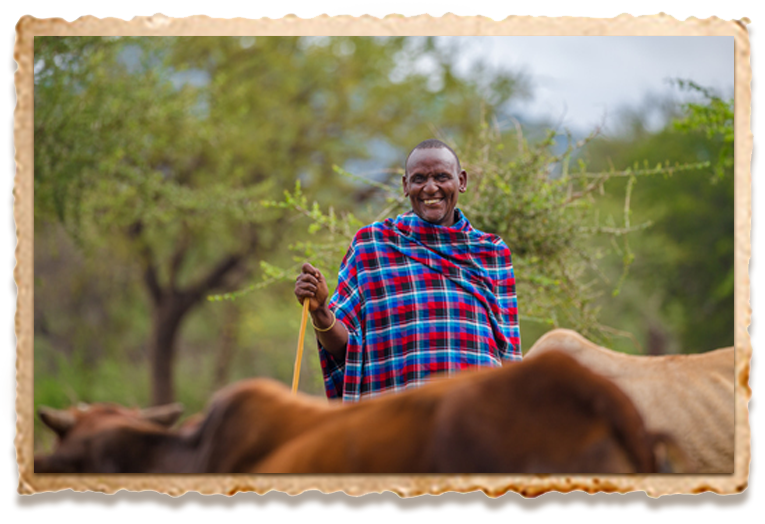
Massai Herder

Benefits of Living Walls

  • Protect livestock from attack
  • Prevent the retaliatory killing of wildlife
  • Uplift livelihoods
  • Improve local attitudes toward large carnivores
  • Contribute to habitat preservation
  • Demonstrate the value of shared knowledge
  • Exhibit culturally appropriate solutions


Not only does APW believe in the importance of balance within the environment, but also in the empowerment of people. APW has enabled the women of the Loibor Siret to “take care of the things in the family that are important to them” through their beekeeping program, in which women bee keep and generate income for themselves. This newfound source of income is opening doors for women’s education, and the program itself is informing the people of Loibor Siret about climate change. APW has currently taught over 1,800 women how to start and expand their beekeeping businesses. The men of the Loibor Siret are happy with the outcome as well, because the health of their livestock depends upon the health of their environment.

Credit: African People & Wildlife

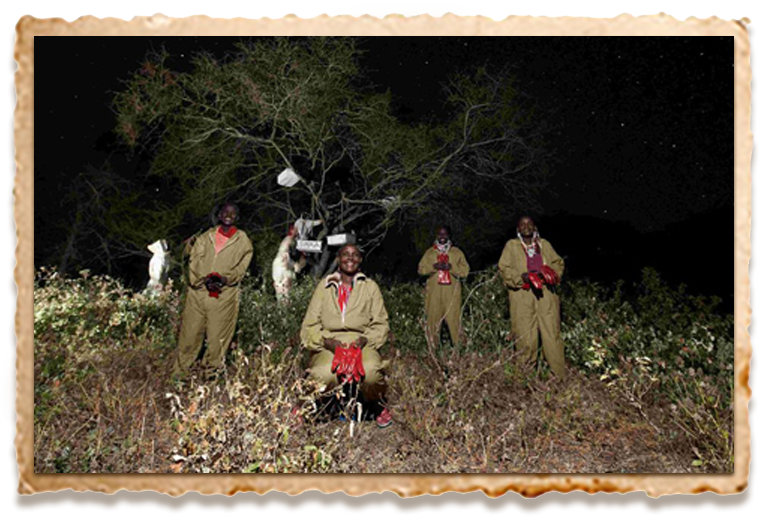
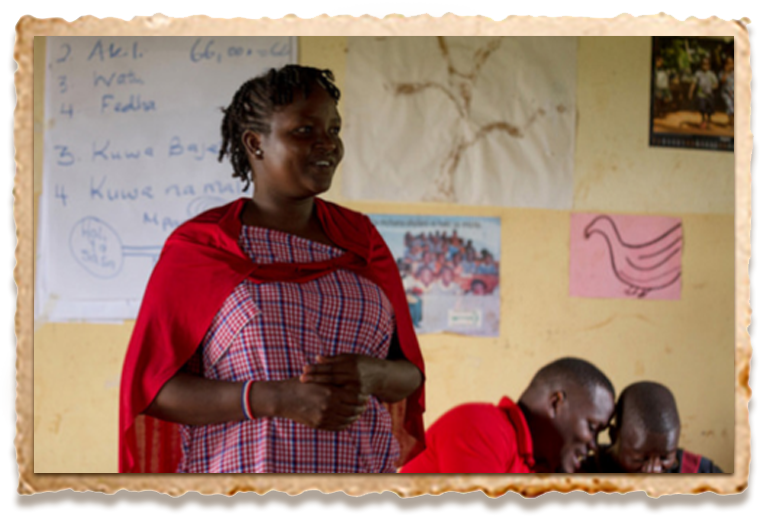
APW has helped empower women by teaching them how to run a beekeeping business.

Credit: African People & Wildlife

Yamat Lengai, Monitoring, Evaluation, Learning, and Adaptation Officer

Measuring Success

APW has amassed an impressive list of achievements, impacting 77 rural communities in 6 critical landscapes across Tanzania. Its metric for measuring success and impact comes from a scientific and anthropological approach which includes monitoring of conservation sites with the help of the community, in hopes that their efforts leave a lasting positive effect on the land.
The enumerators and data analysts of the APW directly measure the success of their programs. When surveying human well-being in the greater Lake Natron area, they hired members of local communities and trained them to conduct the surveys. This insured that the surveyors were familiar with the people being surveyed and aware of their cultures, norms, and traditions while simultaneously increasing rates of employment within those communities.
APW allows access to technology and information through its Conservation Technology Centers (CTCs) in the Tarangire-Manyara landscape which act as centers for dialog regarding community and environmental issues. The technology present in these centers enables APW to share reports and results from their surveys and GIS analysis with people from the area, making them more aware of the issues thy face and offering help and resources to solve problems.

A Holistic Approach

A key to the organization’s success is its holistic approach, highlighting the interconnectedness among communities and wildlife. Their model “Local Solutions with Global Impacts” gives APW the opportunity to focus on solving specific issues.

Their holistic approach also aids in amplifying their themes and values such as youth leadership, empowerment of women, climate change resilience, and human rights protection. The organization has published its “2030 Strategic Plan,” which predicts the impacts they plan to have on the African people and environments in the next decade, and how they plan to do so with respect to the organization’s core values.

One of their 2030 goals includes “conserving wildlife and promoting coexistence,” which involves increased community engagement in conservation and increased tolerance for high wildlife areas in which people have built these communities. APW plans to do this by expanding its conservation efforts and installing more living walls, and by increasing youth engagement to usher in a generation of Tanzanian youths that will grow up learning about the importance of conservation.
APW is on a path to enterprising conservation as well by helping families and communities economically. By educating women and the youth on self-sustaining economies and allowing them the resources to participate within these economies, APW is paving the road for success and independence for these communities. They plan to diversify their economic portfolio by introducing two new initiatives, expanding the Women’s Beekeeping initiative; and augment the production line, and promoting the establishment of a fresh conservation initiative in the Okavango-Zambezi watershed of Angold through a collaborative endeavor with the National Geographic Okavango Wilderness Project.
These are just two of the many impacts of the African People & Wildlife Foundation. Priding itself on community engagement of local youth and women, APW is ushering in a new age of environmentally conscious empowerment and independence.

Learn more about African People & Wildlife.

Conservations GIS: Mapping a Route to Human-Wildlife Coexistence

Credit: African People & Wildlife

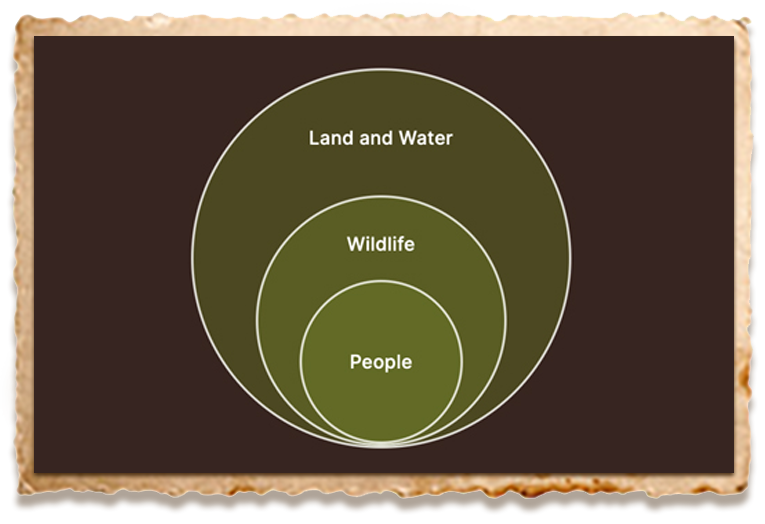
This diagram shows how the land and water encapsulate all wildlife and humanity.

Credit: African People & Wildlife

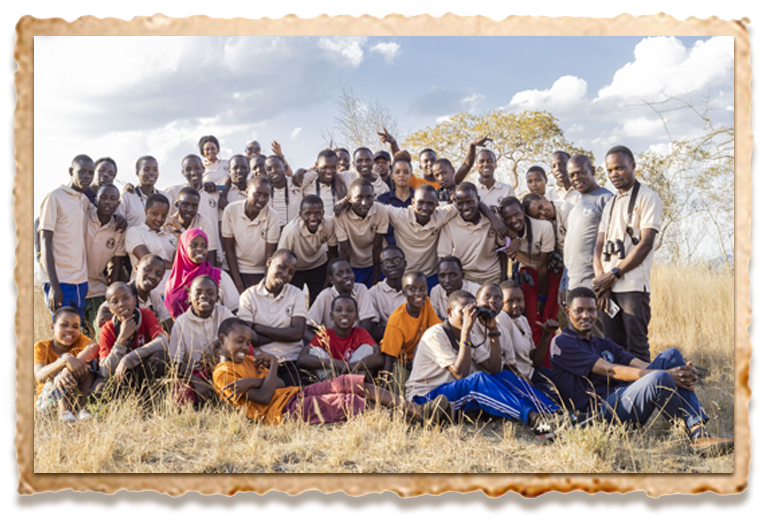
APW Youth Environmental Camp

African People & Wildlife Organization

The African People and Wildlife organization is a pioneering nonprofit conservation group dedicated to safeguarding wildlife and empowering local communities across Africa. APW was co-founded by Dr. Laly Lichtenfeld and Charles Trout, both advocates for conservation efforts throughout Africa.

Credit: African People & Widlife

Ranger oversees zebra on the savannah

Through community driven solutions, APW strives to resolve issues that threaten Africa’s biodiversity and communities of people who live near the African wilderness. Their holistic approach aids in amplifying their themes and values such as youth leadership, empowerment of women, climate change resilience, and human rights protection. By fostering cooperation and engaging communities, the organization works to forge a harmonious balance that safeguards Africa’s natural heritage while supporting the livelihoods and futures of those living near or in invaluable ecosystems.

Through community driven solutions, APW strives to resolve issues that threaten Africa’s biodiversity and communities of people who live near the African wilderness. Their holistic approach aids in amplifying their themes and values such as youth leadership, empowerment of women, climate change resilience, and human rights protection. By fostering cooperation and engaging communities, the organization works to forge a harmonious balance that safeguards Africa’s natural heritage while supporting the livelihoods and futures of those living near or in invaluable ecosystems.

Credit: African People & Wildlife

Laly Lichtenfeld, Ph.D., Co-Founder & Chief Executive Officer / African People & Wildlife

Credit: African People & Wildlife

Charles Trout, Co-founder & Chief Program Officer / African People & Wildlife

“APW envisions “a world where Africa’s people and wildlife coexist and thrive in vibrant, healthy landscapes.”
They aim to achieve this through the application of their theory of change model which actively engages, educates, and empowers communities. This is reflected in their programs such as Living Walls, Sustainable Rangelands, Warriors for Wildlife, and Youth Environmental Education.

Living Walls

The Maasai people have long faced the issue of livestock endangerment. Wildlife attacks on livestock threaten people’s livelihood and retaliatory attacks on wildlife were common, until local farmer Kimath offered a solution: living walls.
Living walls are barriers built around livestock and homes to protect them from attacks by wild animals such as hyenas and lions. This in turn protects the wild animals from being hunted by frustrated and angry farmers. APW worked with Kimath to help build living walls with Commiphora trees reinforced with chain-link fences. Living walls also extend beyond the use of protecting livestock by offering solace to families as there is no need to stand guard with an eye out for predators. APW has installed 1,500 living walls across Tanzania, allowing for peaceful nights and safety for both livestock and wildlife.

Credit: African People & Wildlife

APW partners with communities to build living walls – environmentally-friendly corrals that keep livestock, livelihoods, and wildlife safe.

Credit: African People & Wildlife

Massai Herder

Benefits of Living Walls

  • Protect livestock from attack
  • Prevent the retaliatory killing of wildlife
  • Uplift livelihoods
  • Improve local attitudes toward large carnivores
  • Contribute to habitat preservation
  • Demonstrate the value of shared knowledge
  • Exhibit culturally appropriate solutions


Not only does APW believe in the importance of balance within the environment, but also in the empowerment of people. APW has enabled the women of the Loibor Siret to “take care of the things in the family that are important to them” through their beekeeping program, in which women bee keep and generate income for themselves. This newfound source of income is opening doors for women’s education, and the program itself is informing the people of Loibor Siret about climate change. APW has currently taught over 1,800 women how to start and expand their beekeeping businesses. The men of the Loibor Siret are happy with the outcome as well, because the health of their livestock depends upon the health of their environment.

Credit: African People & Wildlife

APW has helped empower women by teaching them how to run a beekeeping business.

Credit: African People & Wildlife

Yamat Lengai, Monitoring, Evaluation, Learning, and Adaptation Officer

Measuring Success

APW has amassed an impressive list of achievements, impacting 77 rural communities in 6 critical landscapes across Tanzania. Its metric for measuring success and impact comes from a scientific and anthropological approach which includes monitoring of conservation sites with the help of the community, in hopes that their efforts leave a lasting positive effect on the land.
The enumerators and data analysts of the APW directly measure the success of their programs. When surveying human well-being in the greater Lake Natron area, they hired members of local communities and trained them to conduct the surveys. This insured that the surveyors were familiar with the people being surveyed and aware of their cultures, norms, and traditions while simultaneously increasing rates of employment within those communities.
APW allows access to technology and information through its Conservation Technology Centers (CTCs) in the Tarangire-Manyara landscape which act as centers for dialog regarding community and environmental issues. The technology present in these centers enables APW to share reports and results from their surveys and GIS analysis with people from the area, making them more aware of the issues thy face and offering help and resources to solve problems.
A Holistic Approach

A key to the organization’s success is its holistic approach, highlighting the interconnectedness among communities and wildlife. Their model “Local Solutions with Global Impacts” gives APW the opportunity to focus on solving specific issues.

Their holistic approach also aids in amplifying their themes and values such as youth leadership, empowerment of women, climate change resilience, and human rights protection. The organization has published its “2030 Strategic Plan,” which predicts the impacts they plan to have on the African people and environments in the next decade, and how they plan to do so with respect to the organization’s core values.

One of their 2030 goals includes “conserving wildlife and promoting coexistence,” which involves increased community engagement in conservation and increased tolerance for high wildlife areas in which people have built these communities. APW plans to do this by expanding its conservation efforts and installing more living walls, and by increasing youth engagement to usher in a generation of Tanzanian youths that will grow up learning about the importance of conservation.
APW is on a path to enterprising conservation as well by helping families and communities economically. By educating women and the youth on self-sustaining economies and allowing them the resources to participate within these economies, APW is paving the road for success and independence for these communities. They plan to diversify their economic portfolio by introducing two new initiatives, expanding the Women’s Beekeeping initiative; and augment the production line, and promoting the establishment of a fresh conservation initiative in the Okavango-Zambezi watershed of Angold through a collaborative endeavor with the National Geographic Okavango Wilderness Project.
These are just two of the many impacts of the African People & Wildlife Foundation. Priding itself on community engagement of local youth and women, APW is ushering in a new age of environmentally conscious empowerment and independence.

Learn more about African People & Wildlife.

Conservations GIS: Mapping a Route to Human-Wildlife Coexistence

Credit: African People & Wildlife

This diagram shows how the land and water encapsulate all wildlife and humanity.

Credit: African People & Wildlife

APW Youth Environmental Camp