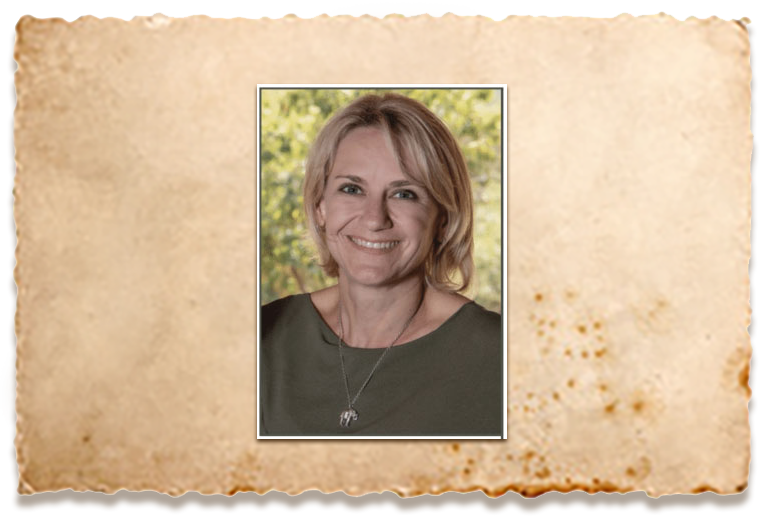

Adine Roode

HERD South Africa

Adine Roode was raised on her family’s Kapama Reserve in South Africa and was instilled with a passion for wildlife and their welfare from a very young age. She has helped manager the Reserve as well as Jabulani Luxury Lodge, a member of the esteemed Relais & Chateaux Association, which offers guests a soulful safari experience in a Big Five Wilderness area.

Credit: Black Bear Productions

Adine Roode, HERD South Africa

Credit: HERD Orphaned Elephant Sanctuary

Adine Roode

Adine is recognized for her conservation work with rhinos and elephants and for founding Hoedspruit Elephant Rehabilitation and Development (HERD), South Africa’s first sanctuary for the rehabilitation and integration of orphaned elephants into the wild. The HERD Trust offers a beacon of hope for elephants in the Jabulani wilderness. The recent successful rehabilitation and integration of the baby albino elephant Khanyisa has been celebrated by people across the world on social media.
“Every elephant needs a herd.”

Our Interview

Have you always been interested in wildlife and nature?
Since I was a child, I preferred to spend time outside. Even when studying, I would go outside and sit in the garden to work, although the ants, bees and birds where always more interesting to look at than my books. When I took breaks from studying, I would spend quality time with the animals.

Credit: HERD Orphaned Elephant Sanctuary

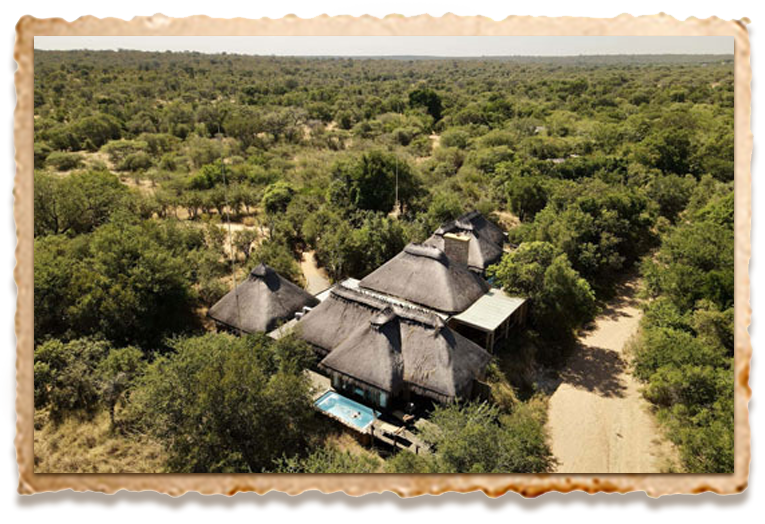
Jabulani Safari Lodge, South Africa

“I grew up in a home where my mother often hand-raised cheetah cubs and I would give her a hand or just go and sit with the cubs, play and run around in the garden with them. It was my happy escape from the world.”

Credit: HERD Orphaned Elephant Sanctuary

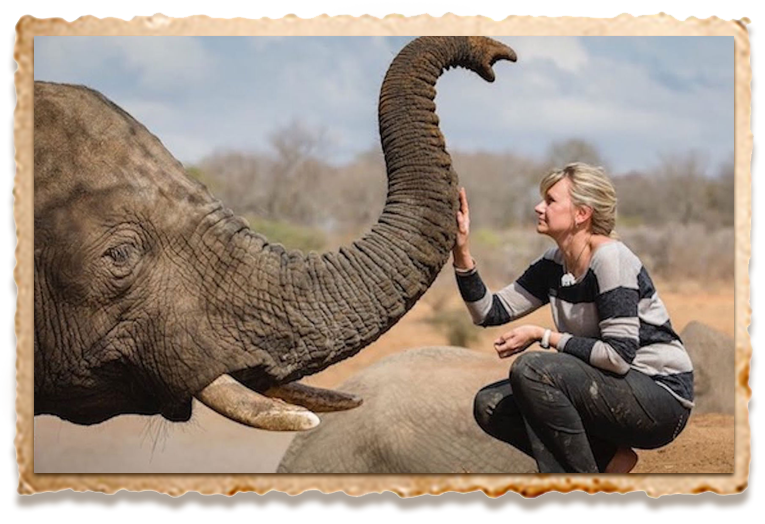
Adine with HERD Elephants

Credit: HERD Orphaned Elephant Sanctuary

Was there an experience in nature – with an animal or with the wild – that influenced you and your life path?

I returned to South Africa from the United Kingdom when my dad passed away. I had not seen the herd of elephants for five months and I thought they would have forgotten me by then. I thought I would need to start rebuilding my relationship with them. As I arrived home to the elephants, there were other people around; I stood behind everyone, thinking that the elephants hadn’t noticed me, but the herd was very unsettled. I went to greet each one, and they settled down right away. They did remember me! I knew then that I would always be a part of them, just as they are a part of me.

What motivated you to found HERD?

During 2016, there was a huge increase in orphans needing help. Permits to move the little ones quickly were not easy to acquire and often cost the calves their lives. I used the facilities of my mother’s endangered species centre, HESC (Hoedspruit Endangered Species Centre) to receive and rehabilitate the orphans, but we had to drive back and forth daily to transfer carers, fresh dung and supplies between the reserve and the centre, as HESC is situated an hour’s drive away.

“Elephants find you, you don’t find them.”

The integration of calves into the herd only happened once they were healthy and weaned from night bottles. It took a long time before they could be integrated and it wasn’t an easy process as each individual calf is different. For the young elephants, being away from older elephants and being only in the company of humans is unnatural. Our goal was always to reintegrate them in the long run. It’s a complete process to look after a baby elephant and if you don’t have the correct formula, carers and expertise, the little ones will suffer or even become a “problem elephant” one day. I wanted to avoid this and with the assistance of the existing orphaned Jabulani herd, who had adopted new orphans previously, I thought to create a sustainable model of caring for orphaned elephants.

“I had helped my mother’s centre in various ways and it was time to use my expertise and experience to create a model of elephant orphan care in South Africa. I had learnt a lot from various experts in different fields and could use that knowledge while getting the correct advisors on board to establish HERD, South Africa’s first dedicated elephant orphanage. It is not who you are, in the end, but who you know and who can stand by you for the sake of the elephants.”

Credit: HERD Orphaned Elephant Sanctuary

The HERD Elephants

Credit: HERD Orphaned Elephant Sanctuary

Credit: HERD Orphaned Elephant Sanctuary

HERD elephant care team

Credit: HERD Orphaned Elephant Sanctuary

One of the Jabulani bull elephants and his carer

Please tell us about HERD and its mission.

We decided to relocate the orphans to the new custom-build orphanage, HERD (Hoedspruit Elephant Rehabilitation and Development) which I set up with my new team, next to the homestead of the Jabulani herd. The orphanage is a well-controlled environment with the sole purpose of caring for elephant orphans and maintaining minimal foot traffic, which is equally important to an elephant calf’s delicate nature. Our experienced elephant carers worked closely with the team of animal curators at HESC to hand-rear and nurse the baby elephants until such time that they were ready to be introduced to the Jabulani elephant herd. The position of the orphanage to the Jabulani herd offers orphaned calves access to the adult elephants, and our highly experienced team is able to oversee the process of integration into the herd.

Being the company of adults, sub-adults, and juvenile elephants is highly beneficial for baby elephants throughout the early stages of their development; it has a positive impact on their mental and physical health. Although the younger orphans enter the orphanage on arrival, after assessing their health, we work towards the goal of having the calves join the Jabulani herd for days out on the reserve.

At night, the babies return to the orphanage sleeping area, where this is a special nursery area for them and our elephant carers who care for the orphans in 24-hour shifts.

Our carers are their nurturers, assisting and guiding the orphans to fit into the natural dynamics of the new social structure at the Jabulani herd.

Taking care of elephant orphans requires not only husbandry training and a healthy, safe and clean environment for elephants and humans alike, but also good emotional health. The carers’ moods affect the orphans. When they feel low, it brings down the animals. If an elephant orphan is in the presence of someone who exudes happiness, they’re likely to feel upbeat.

The carers deal with many ups and downs; the struggles and times of illness are draining. These emotions can be overwhelming, but our carers know how not to let sadness or anger overwhelm them in a situation. Our carers know the importance of this. We monitor our teams’ emotional well-being regularly and make quick changes to the team dynamics if the need arises, always considering the emotional strain of watching over an elephant orphan.

Credit: HERD Orphaned Elephant Sanctuary

Adine and elephant carers George and Israel

Credit: HERD Orphaned Elephant Sanctuary

A Day in the Life of Baby Elephant Orphan Khanyisa

The orphanage consists of three elephant bedrooms, with five communal areas that adjoin them; a kitchenette, a storeroom, and a bathroom, as well as indoor and outdoor playgrounds for the baby elephants. Our management plan runs hand-in-hand with the Department of Environmental Affairs’ (DEAT) norms and standard of elephant management and follows the International Union for Conservation of Nature (IUCN) guidelines and standards.

How many elephants are currently in HERD?

At present we have sixteen elephants in our care, of which five elephants were born to the herd and eleven are orphaned. Their ages vary from 3 to 38 years. There are six bulls and ten females.

“When a rescued orphan comes into the orphanage, it is traumatized, and in many cases, dehydrated, sunburnt, and possibly injured, like the little albino calf, Khanyisa, who arrived in January 2020 with severe lacerations from being trapped in a poaching snare.”

Credit: HERD Orphaned Elephant Sanctuary

Adine giving Khanyisa one of her milk bottles in the bush

What is the journey like for new elephants from when they join and grow with HERD?

Because of their high intelligence and complexity, elephants are very different from other wild animals. Their needs are diverse and nuanced and require a special kind of management, one with heart and soul and respect, as well as family, stimulation and other essentials.

At HERD, our dedicated elephant carers assist in 24-hour-shifts to ensure that the orphans are never left alone or without a carer. They play a significant role in nurturing the orphans with sustenance, healthcare, love, guidance and hugs. They are the sole nurturers until the new orphans are strong enough to join the Jabulani herd, and during integrations, they continue to give the orphans care at the nursery.

To keep the orphans healing well, growing strong, and roaming energetically, we need to provide them with the energy to do so. When they first arrive at HERD milk is an essential form of sustenance, giving the calf what their mother is not around to provide. But the act of feeding the baby is also an intense bonding experience for the very sensitive and often traumatised young animals.

A baby elephant’s milk formulation is exceptionally delicate and needs frequent adjustment, with extra nutritional supplements as they grow, just as their mother’s milk would change naturally through the weaning stage and evolving needs. This is a difficult case of trial and error, as an error can lead to serious consequences; since each elephant is different, especially orphans and trauma victims, there is no ‘one size fits all’ model.

Constantly, through the care and raising of baby elephants, our role is to be a mother to the baby, to step in and help replace what was taken away. For our carers, the elephants’ role in raising a baby elephant is never done, but also, like us, in the human herd, it is fortunately a job that is shared among many hands – or trunks. Raising an elephant, as with a child, takes a village. A herd.

When the calves are rehabilitated, they are able to join the bigger herd for walks in the wild during the day, and they slowly start to build their strength as well as their relationships with the other elephants. We integrate them gradually into the herd, letting the elephants take over rearing that calf, teaching it to be an elephant the way its mother and original family would have. Once the calf is weaned from nighttime milk bottles, they are able to stay at the homestead overnight, and effectively graduate from the orphanage. This lets them spend 24/7 with the other elephants. We see this step as when an orphan becomes a herd member, and it is no longer an orphan. They have found a new family.

The carers continue to accompany the elephants on walks in the bush each day, from sunrise to sunset, to protect them in the “Big Five Wilderness”. The elephants walk, feed, swim, play, mud- and sand-bathe, spar, scratch, and dig… in their wild home, giving them a second chance at life as elephants with their own species, in their natural habitat.

What is a day in your life like?

My days vary quite a bit, but when I’m on the reserve, I start early, waking up at five in the morning and then heading down to the homestead with I will give Khanyisa her milk and then catch up with the elephants and carers. We check to see if any of the elephants have injuries as they are prone to get the odd bump from a tusk every now and then, not always intentionally. This will be cleaned and sprayed with insecticides before the elephants head out to the bush. I usually spend an hour or two with the elephants out in the reserve. I’m usually late then for a meeting as I spend too much time with the elephants. If there are no meetings, I might walk through the elephants’ homestead, and check to see how much food was left over from the night, how clean the paddocks are, etc. Then I head down to Jabulani Lodge for meetings, organizing the curio shop, and see to orders we need to arrange. Around noon, I head back to the elephants to walk with them to the waterhole, and spend time watching them in the water.

When I’m in the city, my day is usually filled with meetings and I try to cycle or run in the early mornings or evenings. Training is so important for me, as it helps me clear my head or work out things I need to give more thought to.

What is the most challenging aspect of your work with HERD?

The most challenging aspect is making ends meet. Other challenges pertain to local perceptions around Elephants. May South Africans believe that we have too many elephants in the country and they don’t understand why we should invest in looking about orphans. I am faced with the challenges around releasing the elephants into wilderness spaces with no human involvement, and how to structure it, the right timing, etc. Our objective at HERD Trust is to establish a strategy and long-term plan for elephant rehabilitation through rewilding that includes mitigation of the long-term chronic stress of releasing elephants directly into the wild when, as orphans, they don’t have a proper social structure. The focus is on building the orphans’ ability to deal with a wild system independently, in such a way that allows them to develop that capacity at a reasonable pace, and within a stable and nurturing system. Thus, the rewilding of semi-habituated elephants that takes elephant biology and local context into account.

It is vital that we base our processes and procedures on the best available evidence and expertise, and find innovative solutions to the challenges faced to enhance the elephants’ well-being. We are always working to lead in the development of sustainable, long-term, orphan elephant rehabilitation, and to contribute to the development of ethical and responsible industry standards, that are credible, endorsed and set a gold standard.

The journey of the little albino elephant Khanyisa has captured the hearts of many on your YouTube channel. Will she need any special care for the rest of her life?

Khanyisa is certainly a special elephant, but she won’t need special care. An elephant albino is adapted to survive in nature and we have numerous wild examples of this. In other wildlife, such as with buffaloes, the herd kills the baby instantly, but because elephants are sentient beings, they don’t seem to see albinos as different. Khanyisa will play an important role in the herd’s structure. I am sure everyone who has followed her journey will remember her in their minds, hearts, and prayers, and that makes her special.

You appear to have a very close bond with Khanyisa. Is it different than with the other elephants?

I have a special bond with Khanyisa as we spent many nights fighting for her life. We struggled to get her on a bottle. We when through many severe circumstances with her and as a result we bonded on a different level, as the situation wasn’t easy. It’s the same in life when you share hardships with someone, your relationship deepens. With Khanyisa and me – our bond is deep and on another level. I didn’t help hand-raise any of the other elephants in the herd, and many were older than what Khanyisa was, when they arrived. I met them later in their lives and I had to build a relationship with them in a different way, after they were integrated into the herd.

“Working in communities and building partnerships is important to us. There is really so much to do, but our vision is to enhance how elephants are viewed and valued in South Africa and Africa.”

Credit: HERD Orphaned Elephant Sanctuary

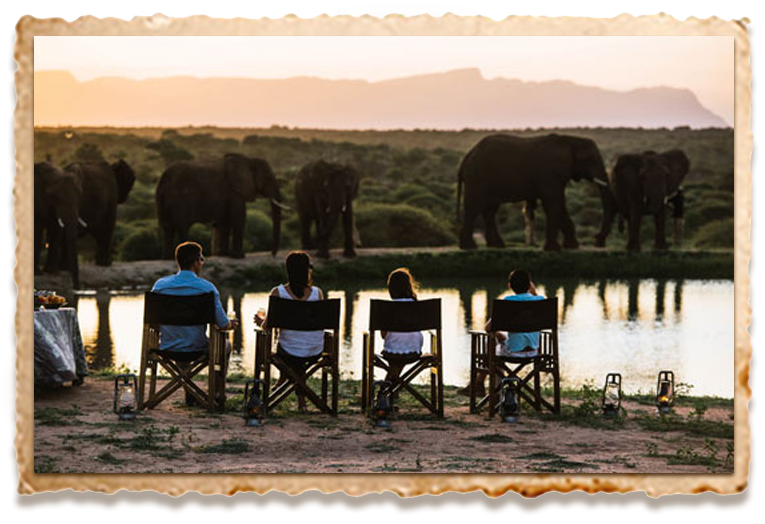
Experience Elephant Moments with the herd at Jabulani Lodge

Credit: Liesa Becker

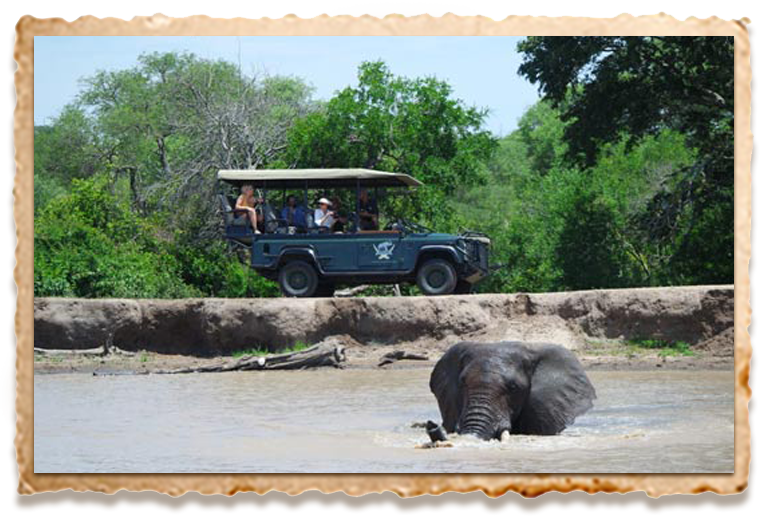
Jabulani Elephant Swim Experience

What is planned for the future of HERD?

HERD remains focused on our objectives and achieving them. We will need to provide a sanctuary for partially rewilded elephants over their lifespan and contribute towards conservation, by providing land to a flagship species that is not otherwise available.

Elephants help to sustain life on land, improve social cohesion, enhance environmental and natural resource education, reduce poverty through job creation, and reduce gender inequality and broader inequality through the empowerment of women, youth and the disadvantage, through employment and other opportunities.

HERD is also invested in leveraging elephant by-products (such as elephant dung) and services (including ecotourism, cultural value, and existence value), to ensure that elephants and their land are protected and shared with the local community. We also provide opportunities for research and student training to enhance knowledge and capacity for sustainable development, to contribute to elephant conservation as a whole.

Can people visit the elephants?

For the well-being of the baby elephants, the orphanage is not open to the public. However, we offer opportunities for people to see and meet the elephants in the reserve at Elephant Moments or Jabulani Lodge. Much like with gorilla tracking, only a limited amount of people are permitted and the experience is respectful and prioritizes the safety and well-being of the elephants. At Jabulani, safari guests can view the elephants as they swim in the waterhole from a game vehicle, from the dam as the heard heads back to the homestead at sunset, or they can meet three bulls in person – Jabulani, Sebakwe and Somopane, since they are receptive and friendly towards people and truly show people the beauty and significance of elephants.

Credit: HERD Orphaned Elephant Sanctuary

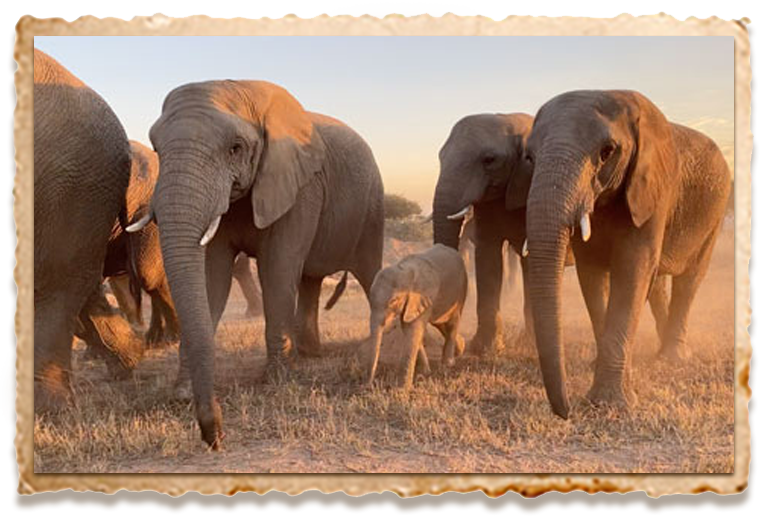
The HERD elephants returning to the homestead

 At Elephant Moments, day visitors can meet these three bulls in the morning before they head out into the reserve with their herd, for an intimate and educational experience. You can also choose to visit virtually with a private virtual meeting with the elephants and one of our elephant managers or carers. Funds from these experiences help support the herd and our mission.

How can people help support HERD and African elephants?

There are many ways to help Donating to HERD Trust or our campaigns, running a fundraiser for us, adopting an elephant and helping us to take care of them, visiting, watching our videos on YouTube or sharing ours’ and other’s elephant stories. The funds raised through our valued fosters and donors go towards the provision of the orphans’ essential milk bottles. Every little bit helps. Your support is immensely valued. We couldn’t do what we do without help from others around the world.

Learn more about HERD.

Adine Roode

HERD South Africa
Adine Roode was raised on her family’s Kapama Reserve in South Africa and was instilled with a passion for wildlife and their welfare from a very young age. She has helped manager the Reserve as well as Jabulani Luxury Lodge, a member of the esteemed Relais & Chateaux Association, which offers guests a soulful safari experience in a Big Five Wilderness area.

Credit: Black Bear Productions

Adine Roode, HERD South Africa

Credit: HERD Orphaned Elephant Sanctuary

Adine Roode

Adine is recognized for her conservation work with rhinos and elephants and for founding Hoedspruit Elephant Rehabilitation and Development (HERD), South Africa’s first sanctuary for the rehabilitation and integration of orphaned elephants into the wild. The HERD Trust offers a beacon of hope for elephants in the Jabulani wilderness. The recent successful rehabilitation and integration of the baby albino elephant Khanyisa has been celebrated by people across the world on social media.
“Every elephant needs a herd.”

Our Interview

Have you always been interested in wildlife and nature?
Since I was a child, I preferred to spend time outside. Even when studying, I would go outside and sit in the garden to work, although the ants, bees and birds where always more interesting to look at than my books. When I took breaks from studying, I would spend quality time with the animals.

Credit: HERD Orphaned Elephant Sanctuary

Jabulani Safari Lodge, South Africa
“I grew up in a home where my mother often hand-raised cheetah cubs and I would give her a hand or just go and sit with the cubs, play and run around in the garden with them. It was my happy escape from the world.”

Credit: HERD Orphaned Elephant Sanctuary

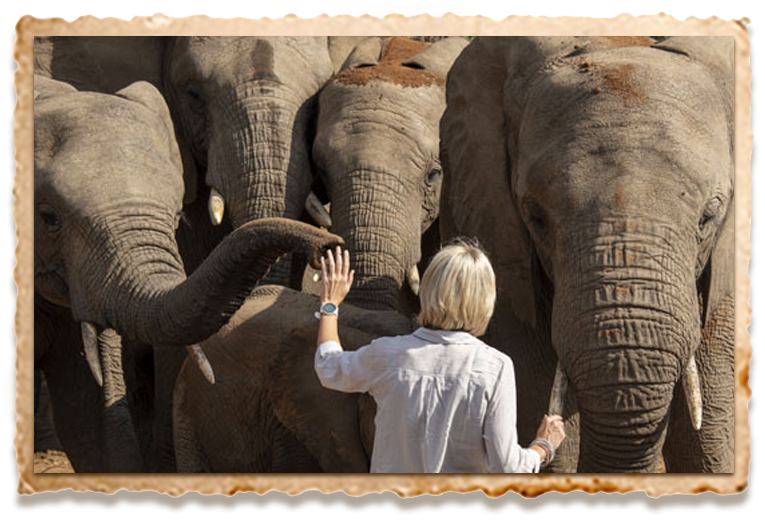
Adine with HERD Elephants
Credit: HERD Orphaned Elephant Sanctuary

Was there an experience in nature – with an animal or with the wild – that influenced you and your life path?

I returned to South Africa from the United Kingdom when my dad passed away. I had not seen the herd of elephants for five months and I thought they would have forgotten me by then. I thought I would need to start rebuilding my relationship with them. As I arrived home to the elephants, there were other people around; I stood behind everyone, thinking that the elephants hadn’t noticed me, but the herd was very unsettled. I went to greet each one, and they settled down right away. They did remember me! I knew then that I would always be a part of them, just as they are a part of me.

What motivated you to found HERD?

During 2016, there was a huge increase in orphans needing help. Permits to move the little ones quickly were not easy to acquire and often cost the calves their lives. I used the facilities of my mother’s endangered species centre, HESC (Hoedspruit Endangered Species Centre) to receive and rehabilitate the orphans, but we had to drive back and forth daily to transfer carers, fresh dung and supplies between the reserve and the centre, as HESC is situated an hour’s drive away.

“Elephants find you, you don’t find them.”

The integration of calves into the herd only happened once they were healthy and weaned from night bottles. It took a long time before they could be integrated and it wasn’t an easy process as each individual calf is different. For the young elephants, being away from older elephants and being only in the company of humans is unnatural. Our goal was always to reintegrate them in the long run. It’s a complete process to look after a baby elephant and if you don’t have the correct formula, carers and expertise, the little ones will suffer or even become a “problem elephant” one day. I wanted to avoid this and with the assistance of the existing orphaned Jabulani herd, who had adopted new orphans previously, I thought to create a sustainable model of caring for orphaned elephants.

“I had helped my mother’s centre in various ways and it was time to use my expertise and experience to create a model of elephant orphan care in South Africa. I had learnt a lot from various experts in different fields and could use that knowledge while getting the correct advisors on board to establish HERD, South Africa’s first dedicated elephant orphanage. It is not who you are, in the end, but who you know and who can stand by you for the sake of the elephants.”
Credit: HERD Orphaned Elephant Sanctuary

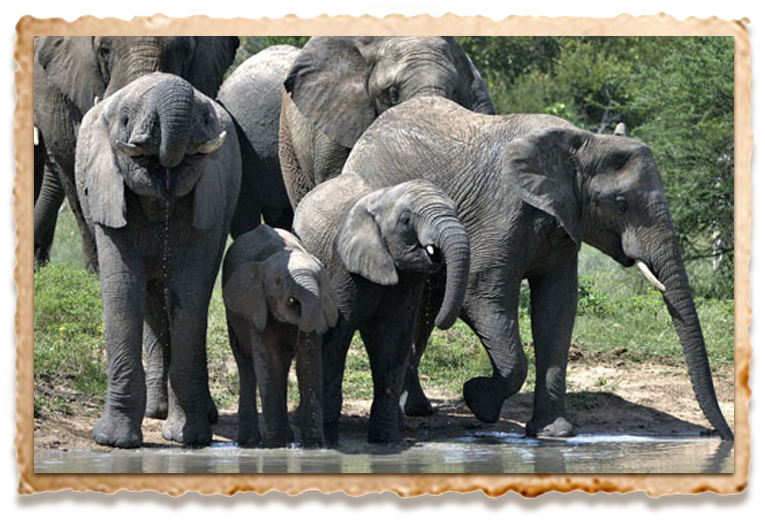
The HERD Elephants
Credit: HERD Orphaned Elephant Sanctuary
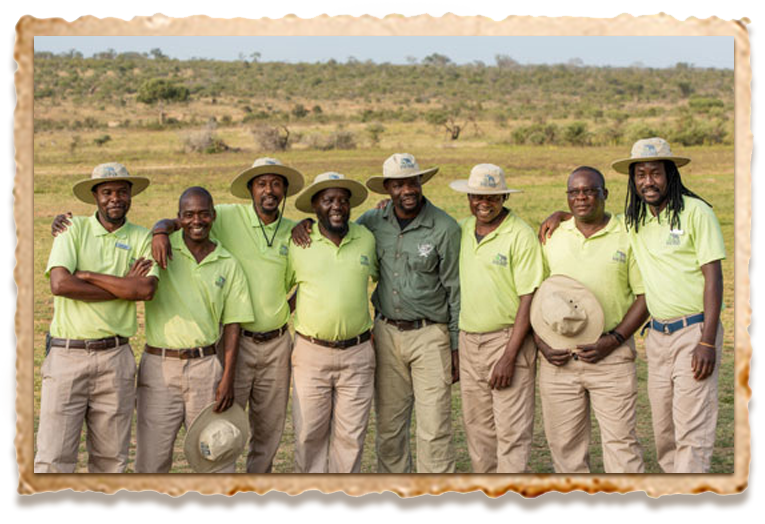
Credit: HERD Orphaned Elephant Sanctuary

HERD elephant care team
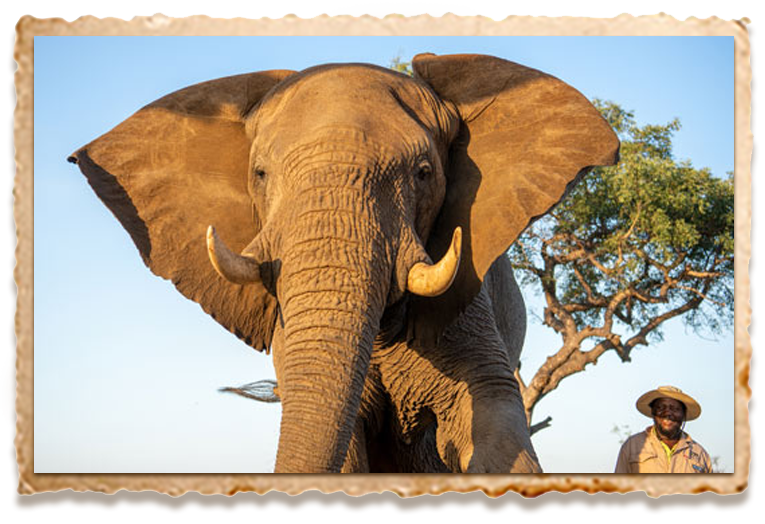
Credit: HERD Orphaned Elephant Sanctuary

One of the Jabulani bull elephants and his carer

Please tell us about HERD and its mission.

We decided to relocate the orphans to the new custom-build orphanage, HERD (Hoedspruit Elephant Rehabilitation and Development) which I set up with my new team, next to the homestead of the Jabulani herd. The orphanage is a well-controlled environment with the sole purpose of caring for elephant orphans and maintaining minimal foot traffic, which is equally important to an elephant calf’s delicate nature. Our experienced elephant carers worked closely with the team of animal curators at HESC to hand-rear and nurse the baby elephants until such time that they were ready to be introduced to the Jabulani elephant herd. The position of the orphanage to the Jabulani herd offers orphaned calves access to the adult elephants, and our highly experienced team is able to oversee the process of integration into the herd.

Being the company of adults, sub-adults, and juvenile elephants is highly beneficial for baby elephants throughout the early stages of their development; it has a positive impact on their mental and physical health. Although the younger orphans enter the orphanage on arrival, after assessing their health, we work towards the goal of having the calves join the Jabulani herd for days out on the reserve.

At night, the babies return to the orphanage sleeping area, where this is a special nursery area for them and our elephant carers who care for the orphans in 24-hour shifts.

Our carers are their nurturers, assisting and guiding the orphans to fit into the natural dynamics of the new social structure at the Jabulani herd.

Taking care of elephant orphans requires not only husbandry training and a healthy, safe and clean environment for elephants and humans alike, but also good emotional health. The carers’ moods affect the orphans. When they feel low, it brings down the animals. If an elephant orphan is in the presence of someone who exudes happiness, they’re likely to feel upbeat.

The carers deal with many ups and downs; the struggles and times of illness are draining. These emotions can be overwhelming, but our carers know how not to let sadness or anger overwhelm them in a situation. Our carers know the importance of this. We monitor our teams’ emotional well-being regularly and make quick changes to the team dynamics if the need arises, always considering the emotional strain of watching over an elephant orphan.
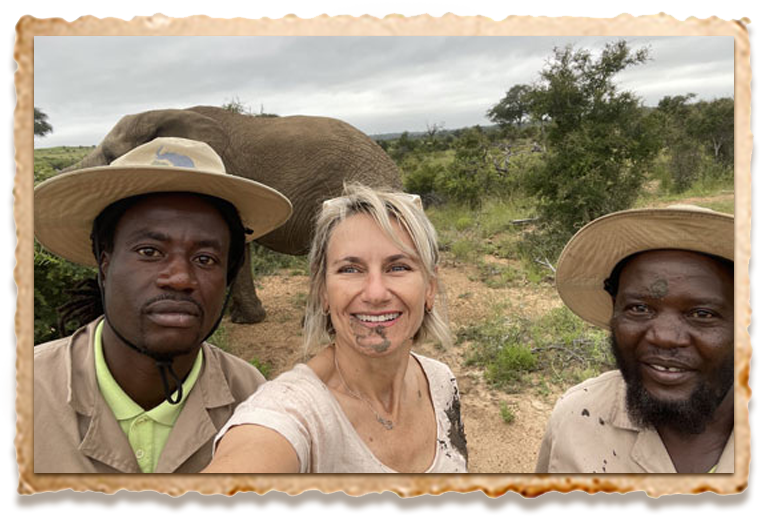
Credit: HERD Orphaned Elephant Sanctuary

Adine and elephant carers George and Israel
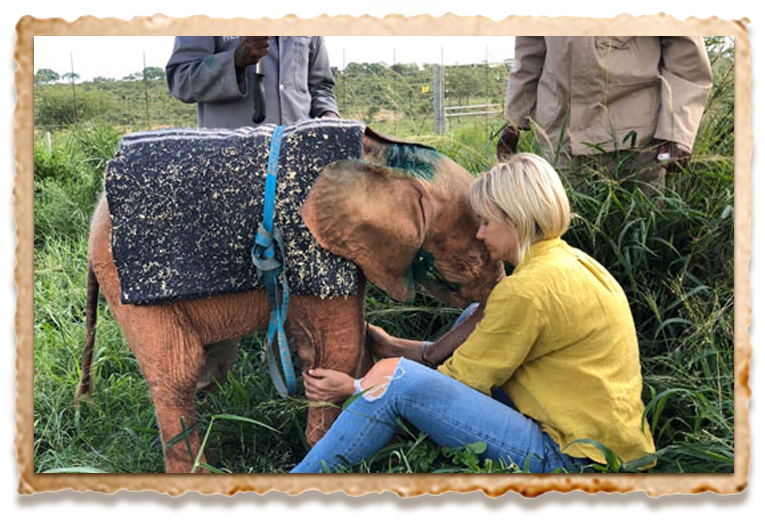
Credit: HERD Orphaned Elephant Sanctuary

A Day in the Life of Baby Elephant Orphan Khanyisa

The orphanage consists of three elephant bedrooms, with five communal areas that adjoin them; a kitchenette, a storeroom, and a bathroom, as well as indoor and outdoor playgrounds for the baby elephants. Our management plan runs hand-in-hand with the Department of Environmental Affairs’ (DEAT) norms and standard of elephant management and follows the International Union for Conservation of Nature (IUCN) guidelines and standards.

How many elephants are currently in HERD?

At present we have sixteen elephants in our care, of which five elephants were born to the herd and eleven are orphaned. Their ages vary from 3 to 38 years. There are six bulls and ten females.
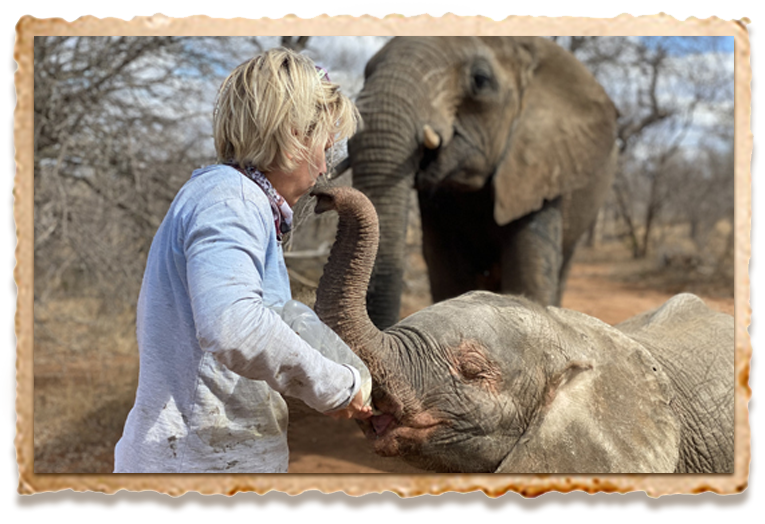
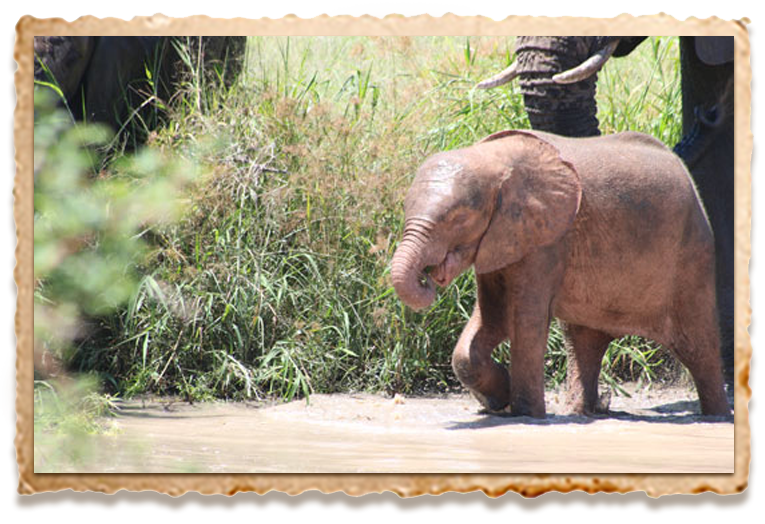
“When a rescued orphan comes into the orphanage, it is traumatized, and in many cases, dehydrated, sunburnt, and possibly injured, like the little albino calf, Khanyisa, who arrived in January 2020 with severe lacerations from being trapped in a poaching snare.”

Credit: HERD Orphaned Elephant Sanctuary

Adine giving Khanyisa one of her milk bottles in the bush

What is the journey like for new elephants from when they join and grow with HERD?

Because of their high intelligence and complexity, elephants are very different from other wild animals. Their needs are diverse and nuanced and require a special kind of management, one with heart and soul and respect, as well as family, stimulation and other essentials.

At HERD, our dedicated elephant carers assist in 24-hour-shifts to ensure that the orphans are never left alone or without a carer. They play a significant role in nurturing the orphans with sustenance, healthcare, love, guidance and hugs. They are the sole nurturers until the new orphans are strong enough to join the Jabulani herd, and during integrations, they continue to give the orphans care at the nursery.

To keep the orphans healing well, growing strong, and roaming energetically, we need to provide them with the energy to do so. When they first arrive at HERD milk is an essential form of sustenance, giving the calf what their mother is not around to provide. But the act of feeding the baby is also an intense bonding experience for the very sensitive and often traumatised young animals.

A baby elephant’s milk formulation is exceptionally delicate and needs frequent adjustment, with extra nutritional supplements as they grow, just as their mother’s milk would change naturally through the weaning stage and evolving needs. This is a difficult case of trial and error, as an error can lead to serious consequences; since each elephant is different, especially orphans and trauma victims, there is no ‘one size fits all’ model.

Constantly, through the care and raising of baby elephants, our role is to be a mother to the baby, to step in and help replace what was taken away. For our carers, the elephants’ role in raising a baby elephant is never done, but also, like us, in the human herd, it is fortunately a job that is shared among many hands – or trunks. Raising an elephant, as with a child, takes a village. A herd.

When the calves are rehabilitated, they are able to join the bigger herd for walks in the wild during the day, and they slowly start to build their strength as well as their relationships with the other elephants. We integrate them gradually into the herd, letting the elephants take over rearing that calf, teaching it to be an elephant the way its mother and original family would have. Once the calf is weaned from nighttime milk bottles, they are able to stay at the homestead overnight, and effectively graduate from the orphanage. This lets them spend 24/7 with the other elephants. We see this step as when an orphan becomes a herd member, and it is no longer an orphan. They have found a new family.

The carers continue to accompany the elephants on walks in the bush each day, from sunrise to sunset, to protect them in the “Big Five Wilderness”. The elephants walk, feed, swim, play, mud- and sand-bathe, spar, scratch, and dig… in their wild home, giving them a second chance at life as elephants with their own species, in their natural habitat.

What is a day in your life like?

My days vary quite a bit, but when I’m on the reserve, I start early, waking up at five in the morning and then heading down to the homestead with I will give Khanyisa her milk and then catch up with the elephants and carers. We check to see if any of the elephants have injuries as they are prone to get the odd bump from a tusk every now and then, not always intentionally. This will be cleaned and sprayed with insecticides before the elephants head out to the bush. I usually spend an hour or two with the elephants out in the reserve. I’m usually late then for a meeting as I spend too much time with the elephants. If there are no meetings, I might walk through the elephants’ homestead, and check to see how much food was left over from the night, how clean the paddocks are, etc. Then I head down to Jabulani Lodge for meetings, organizing the curio shop, and see to orders we need to arrange. Around noon, I head back to the elephants to walk with them to the waterhole, and spend time watching them in the water.

When I’m in the city, my day is usually filled with meetings and I try to cycle or run in the early mornings or evenings. Training is so important for me, as it helps me clear my head or work out things I need to give more thought to.

What is the most challenging aspect of your work with HERD?

The most challenging aspect is making ends meet. Other challenges pertain to local perceptions around Elephants. May South Africans believe that we have too many elephants in the country and they don’t understand why we should invest in looking about orphans. I am faced with the challenges around releasing the elephants into wilderness spaces with no human involvement, and how to structure it, the right timing, etc. Our objective at HERD Trust is to establish a strategy and long-term plan for elephant rehabilitation through rewilding that includes mitigation of the long-term chronic stress of releasing elephants directly into the wild when, as orphans, they don’t have a proper social structure. The focus is on building the orphans’ ability to deal with a wild system independently, in such a way that allows them to develop that capacity at a reasonable pace, and within a stable and nurturing system. Thus, the rewilding of semi-habituated elephants that takes elephant biology and local context into account.

It is vital that we base our processes and procedures on the best available evidence and expertise, and find innovative solutions to the challenges faced to enhance the elephants’ well-being. We are always working to lead in the development of sustainable, long-term, orphan elephant rehabilitation, and to contribute to the development of ethical and responsible industry standards, that are credible, endorsed and set a gold standard.

The journey of the little albino elephant Khanyisa has captured the hearts of many on your YouTube channel. Will she need any special care for the rest of her life?

Khanyisa is certainly a special elephant, but she won’t need special care. An elephant albino is adapted to survive in nature and we have numerous wild examples of this. In other wildlife, such as with buffaloes, the herd kills the baby instantly, but because elephants are sentient beings, they don’t seem to see albinos as different. Khanyisa will play an important role in the herd’s structure. I am sure everyone who has followed her journey will remember her in their minds, hearts, and prayers, and that makes her special.

You appear to have a very close bond with Khanyisa. Is it different than with the other elephants?

I have a special bond with Khanyisa as we spent many nights fighting for her life. We struggled to get her on a bottle. We when through many severe circumstances with her and as a result we bonded on a different level, as the situation wasn’t easy. It’s the same in life when you share hardships with someone, your relationship deepens. With Khanyisa and me – our bond is deep and on another level. I didn’t help hand-raise any of the other elephants in the herd, and many were older than what Khanyisa was, when they arrived. I met them later in their lives and I had to build a relationship with them in a different way, after they were integrated into the herd.

“Working in communities and building partnerships is important to us. There is really so much to do, but our vision is to enhance how elephants are viewed and valued in South Africa and Africa.”
Credit: HERD Orphaned Elephant Sanctuary

Experience Elephant Moments with the herd at Jabulani Lodge
Credit: Liesa Becker

Jabulani Elephant Swim Experience

What is planned for the future of HERD?

HERD remains focused on our objectives and achieving them. We will need to provide a sanctuary for partially rewilded elephants over their lifespan and contribute towards conservation, by providing land to a flagship species that is not otherwise available.

Elephants help to sustain life on land, improve social cohesion, enhance environmental and natural resource education, reduce poverty through job creation, and reduce gender inequality and broader inequality through the empowerment of women, youth and the disadvantage, through employment and other opportunities.

HERD is also invested in leveraging elephant by-products (such as elephant dung) and services (including ecotourism, cultural value, and existence value), to ensure that elephants and their land are protected and shared with the local community. We also provide opportunities for research and student training to enhance knowledge and capacity for sustainable development, to contribute to elephant conservation as a whole.

Can people visit the elephants?

For the well-being of the baby elephants, the orphanage is not open to the public. However, we offer opportunities for people to see and meet the elephants in the reserve at Elephant Moments or Jabulani Lodge. Much like with gorilla tracking, only a limited amount of people are permitted and the experience is respectful and prioritizes the safety and well-being of the elephants. At Jabulani, safari guests can view the elephants as they swim in the waterhole from a game vehicle, from the dam as the heard heads back to the homestead at sunset, or they can meet three bulls in person – Jabulani, Sebakwe and Somopane, since they are receptive and friendly towards people and truly show people the beauty and significance of elephants.
Credit: HERD Orphaned Elephant Sanctuary

The HERD elephants returning to the homestead

 At Elephant Moments, day visitors can meet these three bulls in the morning before they head out into the reserve with their herd, for an intimate and educational experience. You can also choose to visit virtually with a private virtual meeting with the elephants and one of our elephant managers or carers. Funds from these experiences help support the herd and our mission.

How can people help support HERD and African elephants?

There are many ways to help Donating to HERD Trust or our campaigns, running a fundraiser for us, adopting an elephant and helping us to take care of them, visiting, watching our videos on YouTube or sharing ours’ and other’s elephant stories. The funds raised through our valued fosters and donors go towards the provision of the orphans’ essential milk bottles. Every little bit helps. Your support is immensely valued. We couldn’t do what we do without help from others around the world.
Learn more about HERD.