Bees
“If the bee disappeared off the surface of the globe, man would only have four years of
life left. No more bees, no more pollination, no more plants, no more animals, no more
man.” – Albert Einstein
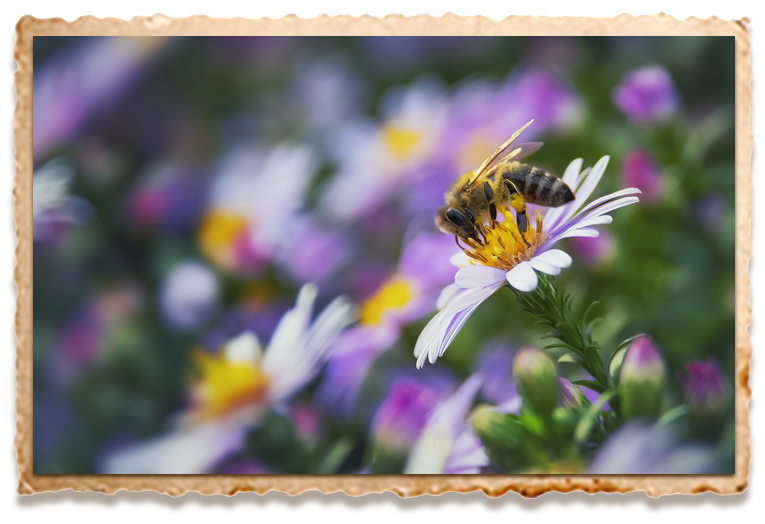
Pollinators like bees, butterflies, and hummingbirds pollinate over 1/3 of the food we eat.
An image caption goes here
An image caption goes here.
Why Bees Are Important
Scientists have confirmed that bees pollinate over 1/3 of all food that we eat, and have
been doing so for 250,000 years. To put their importance in perspective, there are 100
crops that make up 90 percent of the world’s food; 71 of those are pollinated by bees.
Bee pollination alone is responsible for the survival of 1/6 of flowering plants, and over 100,000 varieties of plant species worldwide. If bees disappear, there would be a 50% reduction in fruits and vegetables including: apples, cashews, avocados, kidney beans, walnuts, sunflower oil, lemons, figs, red peppers, cocoa, tomatoes, coffee, cotton.
Credit: to come
Photo caption
The Decline of Bees
In 2006, beekeepers began reporting a sudden disappearance of worker bees in the hive,
without evidence of dead bees or obvious disease. Every year since, 30% of the bee
population has vanished from the earth in a phenomenon dubbed Colony Collapse Disorder (CCD). The causes of this global bee decline are a combination of pesticide use, climate change, habitat loss and parasites.
Pesticide use: Neonicotinoids
Most insecticides are toxic to pollinators, but one group in particular called neonicotinoids
— made by giant chemical companies Bayer, Syngenta and Monsanto — stands out as
a leading driver of CCD. Neonicotinoids, or neonics, are potent systemic pesticides that
spread through plants and contaminate pollen and nectar. Upon even low-level exposure,
these widely used insecticides will:
- Impair foraging abilities and navigation
- Disrupt learning, communication and memory
- Reduce fecundity and queen production
- Suppress immune systems making them more vulnerable to disease and parasites
- Kill bees outright
Credit: to come
Photo caption
There are several ways bees come in contact with Neonics. To start, 140 commercial
crops and up to 51% of store-bought garden plants are treated with neonicotinoids,
exposing wild bee populations. Commercial bees are given high-fructose corn syrup
derived from insecticide-treated corn as a substitute for nectar. Neonics are also harmful
to other beneficial pollinators like butterflies, hummingbirds, and bats.
Credit: to come
Photo caption
Climate Change
Climate change creates more extreme and unpredictable weather, which disrupts bee’s
natural life cycles.
- Unusually cold and long winters have decimated honeybee populations – up to 70% in Iowa in the past few years
- Warming causes flowers to bloom out of sync with the needs of pollinators
What you can do to help
Plant a Pollinator Garden! The key to a successful pollinator and bee-friendly garden is a planting a high-density of diverse native plants.
- Native plants attract local bee populations
- Use the Xerces Society’s Pollinator Friendly Plant Lists or contact your local nursery to find out which plants are native to your area
- Plant a diversity of flowers (10+ species) with blooming periods ranging from early spring to late fall to ensure a constant source of food
- Select single flower tops, like daisies, where the pollen is more visible and more plentiful, rather than double flower tops like double impatiens
- Avoid hybridized plants
- Bees have UV vision and are especially attracted to flowers that are purple, blue or yellow
- Leave some areas of dirt exposed for solitary ground-nesting bees
- For bigger spaces, plant flowers in dense, large clusters of like varieties so bees can conserve energy
- Maintain muddy areas or fill a shallow container of water with pebbles or twigs for the bees to land on while drinking
- Build nests for native bees in your backyard by drilling holes in an old log
Credit: to come
Photo caption
Avoid or limit pesticide use. The key to a successful pollinator and bee-friendly garden is a planting a high-density of diverse native plants.
- Use natural pest management techniques instead of pesticides in your garden
- If you truly need a pesticide in your garden, use a natural one made from microbes or plant derivatives and apply only after sundown
- Demand that retailers stop selling bee-killing pesticides by signing online petitions and calling or emailing your congressional representatives
- Buy local, organic produce to encourage healthier farming practices on a larger scale
- Avoid purchasing house/garden plants treated with Neonicotinoids