Hummingbirds

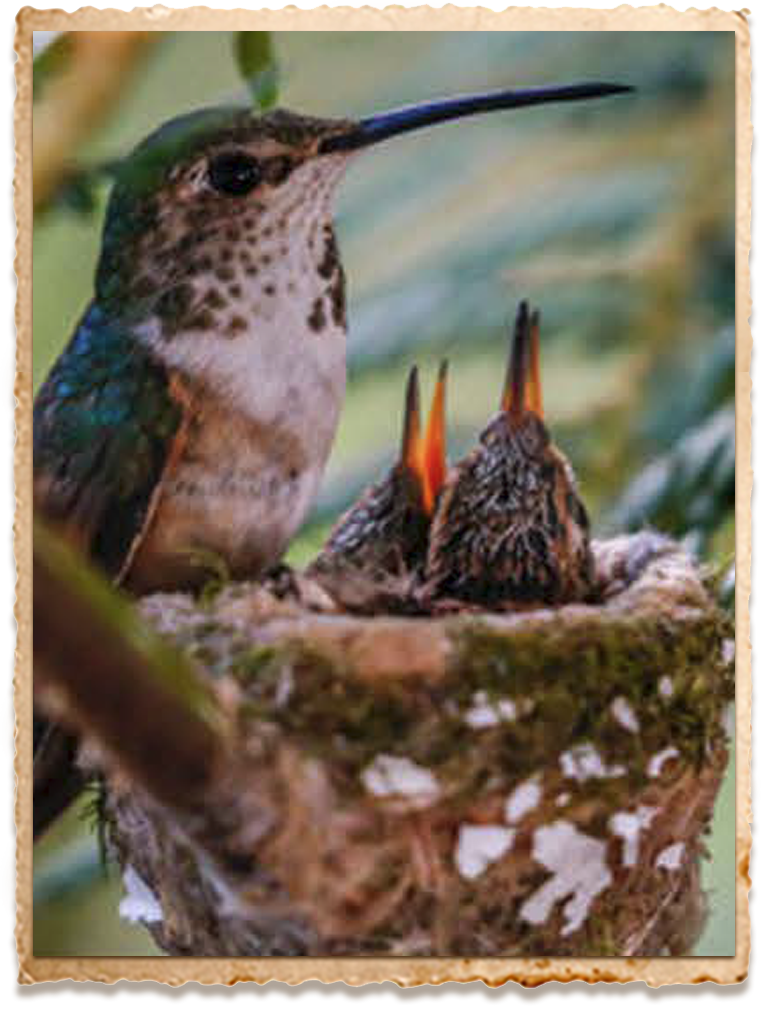
Hummingbirds are one of the most wonderful and iconic species on Earth. Sadly, their survival is at stake due to impacts of pesticide poisoning, habitat loss, and climate change. You can help hummingbirds by creating habitat that provides safe food, water and shelter for pollinators like hummingbirds, bees, and butterflies. Pollinator habitat can be created in any space from a backyard garden to a balcony planter with native nectar plants and we will show you how. Start your pollinator patch today and help these magical creatures!

Need image credit

Image credit

Plant a Pollinator Patch

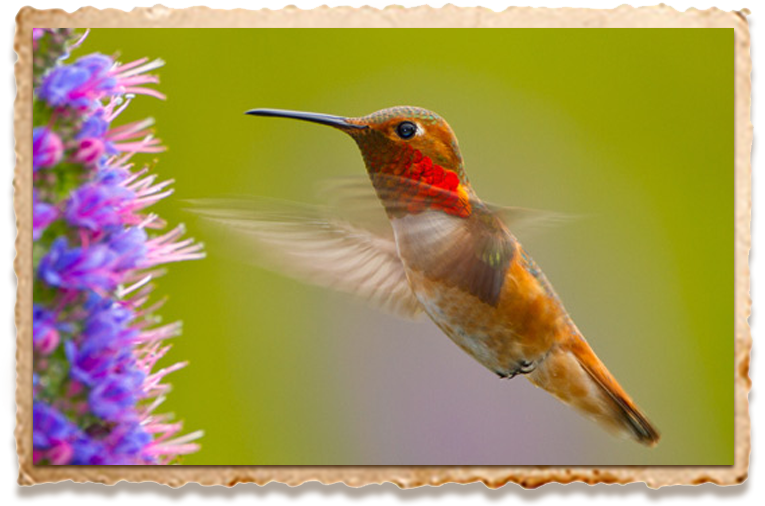
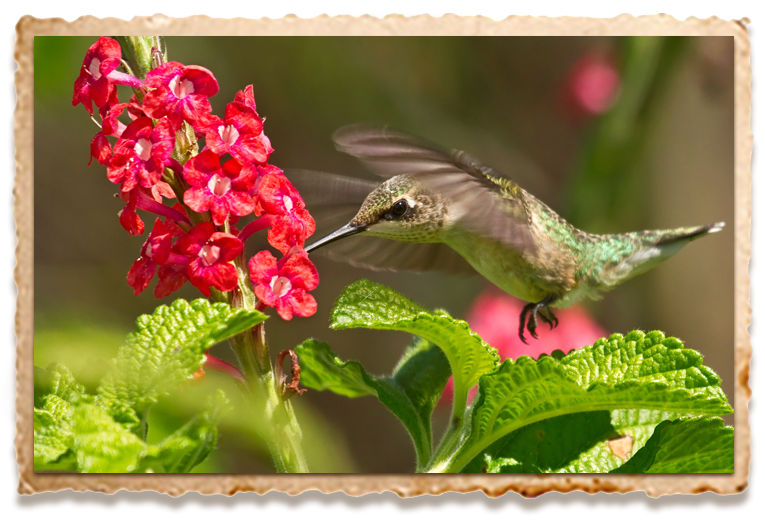
You can provide food for hummingbirds and other pollinators by planting a pollinator patch of
nectar plants native to your region. Get started with our list of Hummingbird Nectar Plants and Audubon’s Native Plant Database. Contact your local native plant society for sources of native plants in your area.

Hang A Nectar Feeder

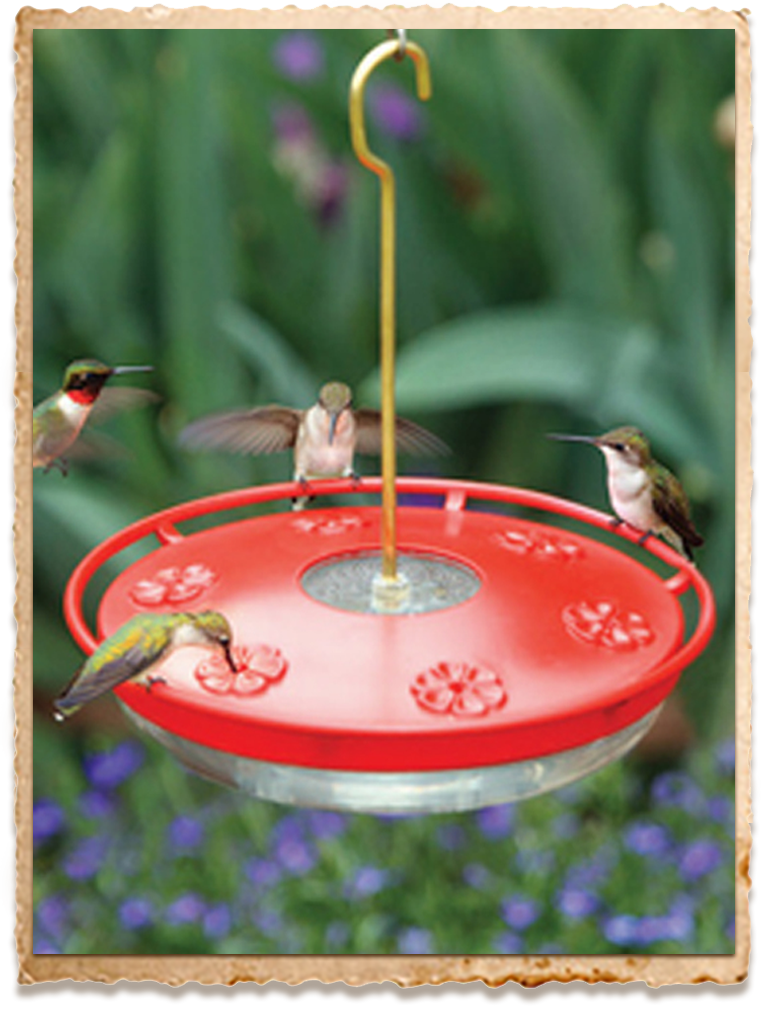
You can supplement native nectar plants with well-maintained nectar feeders. Nectar feeders provide high-energy liquid nectar for hummingbirds. Nectar feeders should be simple to use and easy to clean. We recommend saucer type feeders like the High Perch Hummingbird Feeders from Wild Birds Unlimited. These feeders have perches where hummingbirds can rest while feeding, a built-in ant moat to discourage ants, and are dishwasher safe.

Place nectar feeders in the shade four feet or more above the ground near hummingbird nectar plants and out of range of cats and other predators. If you have more than one hummingbird visitor, place two nectar feeders in different locations out of sight of each other to minimize competition.

Make your own hummingbird nectar at home with our simple Hummingbird Nectar Recipe. Never use honey, brown sugar, artificial sweeteners, juice, food coloring or dyes. You can also place a piece of old fruit, like melon or citrus, outside to attract tiny fruit flies for hummingbirds to eat.

Need image credit

Image credit

Need image credit

Image credit

Provide Fresh Water & Shelter

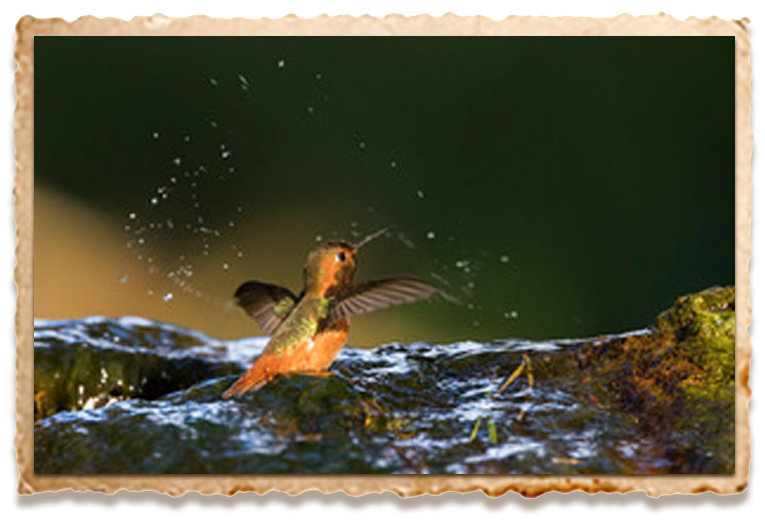
Hummingbirds drink water droplets on leaves and bathe in the rain or sprinklers. They love moving water and are especially attracted to misters, bubbling fountains and waterfalls. Make sure all water sources are clean and refilled regularly with fresh water. Plant native shrubs and trees to provide shelter for hummingbirds and places for them to perch and nest.

Eliminate Pesticide Use

The most important thing you can do to help pollinators like hummingbirds is to eliminate pesticide use and not purchase plants that have been treated or exposed to pesticides, especially systemic neonicotinoids. These are the same pesticides that have been linked to the decline of bee and butterfly populations. Like bees and butterflies, hummingbirds ingest these pesticides from feeding on the nectar and pollen of pesticide treated plants.

Need image credit

Image credit

Need image credit

Image credit

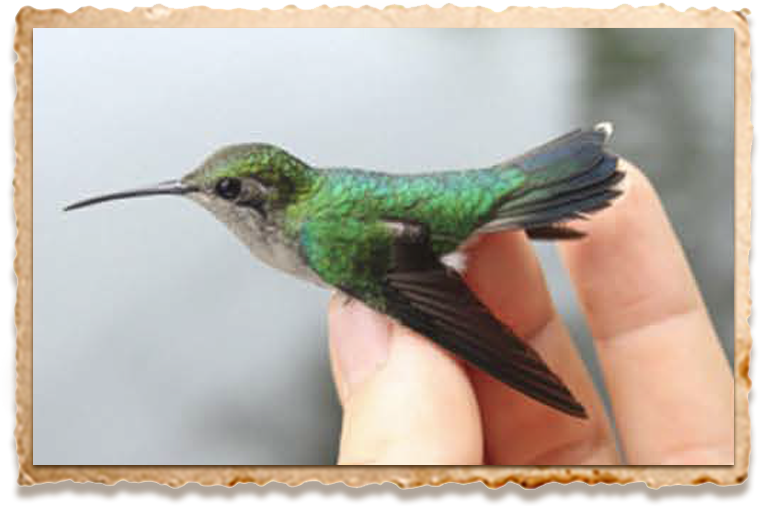
Check Screens: Check screened areas like porches and pool cages regularly as hummingbirds can fly into them and get their beaks caught and die. If you find a hummingbird caught in a screen, gently grasp it in one hand and use the other hand to carefully pull the beak out of the screen. Place it by a nectar source if it is fatigued.

Make Your Hummingbird Habitat Safe

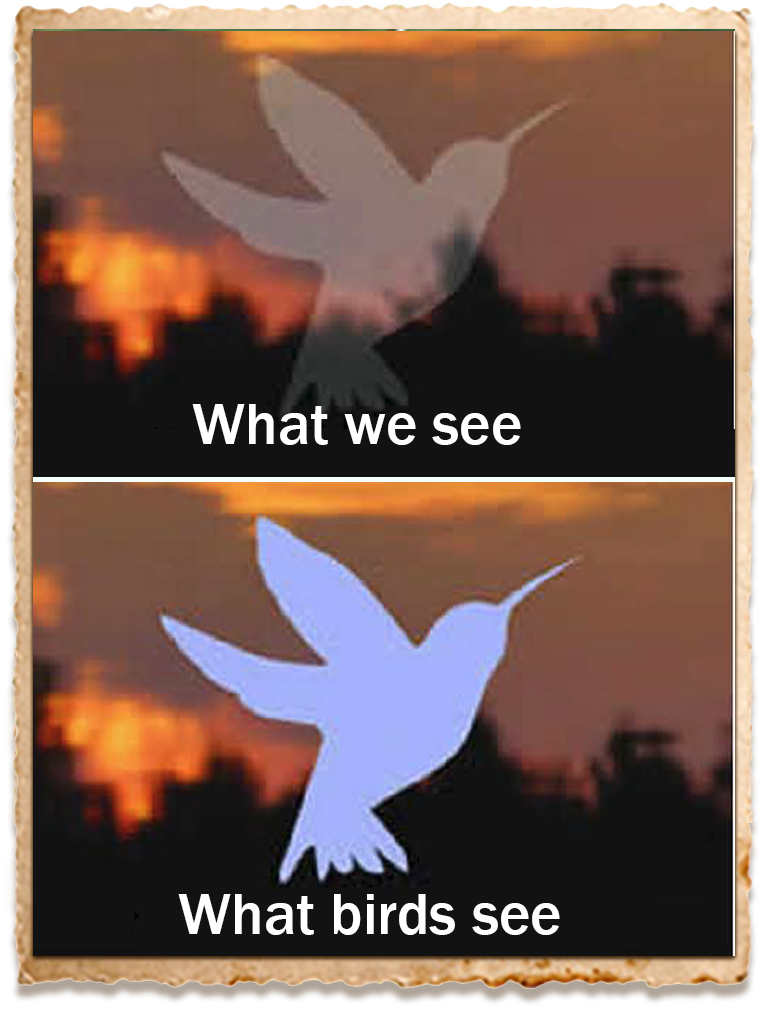
Make Windows Visible: As many as 1 billion birds are killed in the U.S. each year from flying into windows. To prevent collisions, make windows visible with screens, drawn shades or specially designed bird safety UV window clings.

Cover Garage Door Pulls: Spray paint or cover red garage door pulls with tape to discouraged hummingbirds from being attracted and trapped in garages. It is important for a hummingbird to find its way out of a garage before it starts to get fatigued from lack of food. Follow these steps if a hummingbird is trapped in your garage or home:

  • Open all the doors and windows
  • Shut off any inside lights so only the natural outside light is visible
  • Place a blooming nectar plant, nectar feeder, or something bright red near or in an open doorway
  • Stay out of the area and observe the hummingbird from a distance
  • If the hummingbird falls from fatigue, gently pick it up and let it lap up some sugar water from a nectar feeder or small cap until it has regained its energy and is able to fly away

Relocate Insect Predators: Move praying mantises and large spiders away from hummingbird plants and nectar feeders as they can capture and kill hummingbirds.

Help Us Help Hummingbirds

You can make a difference by supporting our work to help hummingbirds. Please help us save hummingbirds by donating any amount today.

need image credit

Image credit

need image credit

Learn More

  • Hummingbird Nature Notes
  • Hummingbird Nectar Plants
  • Hummingbird Nectar Recipe
  • Audubon Hummingbird Study
  • Journey North Hummingbird Migration
  • Hummingbirds are packing on fat

Hummingbirds

Hummingbirds are one of the most wonderful and iconic species on Earth. Sadly, their survival is at stake due to impacts of pesticide poisoning, habitat loss, and climate change. You can help hummingbirds by creating habitat that provides safe food, water and shelter for pollinators like hummingbirds, bees, and butterflies. Pollinator habitat can be created in any space from a backyard garden to a balcony planter with native nectar plants and we will show you how. Start your pollinator patch today and help these magical creatures!

Need image credit

Image credit

Plant a Pollinator Patch

You can provide food for hummingbirds and other pollinators by planting a pollinator patch of
nectar plants native to your region. Get started with our list of Hummingbird Nectar Plants and Audubon’s Native Plant Database. Contact your local native plant society for sources of native plants in your area.

Hang A Nectar Feeder

You can supplement native nectar plants with well-maintained nectar feeders. Nectar feeders provide high-energy liquid nectar for hummingbirds. Nectar feeders should be simple to use and easy to clean. We recommend saucer type feeders like the High Perch Hummingbird Feeders from Wild Birds Unlimited. These feeders have perches where hummingbirds can rest while feeding, a built-in ant moat to discourage ants, and are dishwasher safe.

Place nectar feeders in the shade four feet or more above the ground near hummingbird nectar plants and out of range of cats and other predators. If you have more than one hummingbird visitor, place two nectar feeders in different locations out of sight of each other to minimize competition.

Make your own hummingbird nectar at home with our simple Hummingbird Nectar Recipe. Never use honey, brown sugar, artificial sweeteners, juice, food coloring or dyes. You can also place a piece of old fruit, like melon or citrus, outside to attract tiny fruit flies for hummingbirds to eat.

Need image credit

Image credit

Need image credit

Image credit

Provide Fresh Water & Shelter

Hummingbirds drink water droplets on leaves and bathe in the rain or sprinklers. They love moving water and are especially attracted to misters, bubbling fountains and waterfalls. Make sure all water sources are clean and refilled regularly with fresh water. Plant native shrubs and trees to provide shelter for hummingbirds and places for them to perch and nest.

Eliminate Pesticide Use

The most important thing you can do to help pollinators like hummingbirds is to eliminate pesticide use and not purchase plants that have been treated or exposed to pesticides, especially systemic neonicotinoids. These are the same pesticides that have been linked to the decline of bee and butterfly populations. Like bees and butterflies, hummingbirds ingest these pesticides from feeding on the nectar and pollen of pesticide treated plants.

Need image credit

Image credit

Need image credit

Image credit

Check Screens: Check screened areas like porches and pool cages regularly as hummingbirds can fly into them and get their beaks caught and die. If you find a hummingbird caught in a screen, gently grasp it in one hand and use the other hand to carefully pull the beak out of the screen. Place it by a nectar source if it is fatigued.

Make Your Hummingbird Habitat Safe

Make Windows Visible: As many as 1 billion birds are killed in the U.S. each year from flying into windows. To prevent collisions, make windows visible with screens, drawn shades or specially designed bird safety UV window clings.

Cover Garage Door Pulls: Spray paint or cover red garage door pulls with tape to discouraged hummingbirds from being attracted and trapped in garages. It is important for a hummingbird to find its way out of a garage before it starts to get fatigued from lack of food. Follow these steps if a hummingbird is trapped in your garage or home:

  • Open all the doors and windows
  • Shut off any inside lights so only the natural outside light is visible
  • Place a blooming nectar plant, nectar feeder, or something bright red near or in an open doorway
  • Stay out of the area and observe the hummingbird from a distance
  • If the hummingbird falls from fatigue, gently pick it up and let it lap up some sugar water from a nectar feeder or small cap until it has regained its energy and is able to fly away

Relocate Insect Predators: Move praying mantises and large spiders away from hummingbird plants and nectar feeders as they can capture and kill hummingbirds.

Help Us Help Hummingbirds

You can make a difference by supporting our work to help hummingbirds. Please help us save hummingbirds by donating any amount today.

need image credit

Image credit

need image credit

Learn More

  • Hummingbird Nature Notes
  • Hummingbird Nectar Plants
  • Hummingbird Nectar Recipe
  • Audubon Hummingbird Study
  • Journey North Hummingbird Migration
  • Hummingbirds are packing on fat